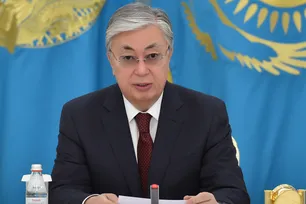
 Kazakhstan's Tokayev demands anti-corruption proposals within days after detentions of wealth fund rail chiefs
Kazakhstan and Uzbekistan report reductions in poverty

econews . But nearly half of consumer spending in both states goes to food.
econews. Kazakhstan and Uzbekistan, Central Asia’s most prosperous states, both say they are making progress in reducing poverty. But data on household spending on food seems to cloud the picture.
Uzbekistan’s Ministry of Employment reported a significant reduction in the country’s poverty rate during the first nine months of 2026, standing at 3.6 percent at the end of the third quarter, down from 5.8 percent at the start of the year.
The ministry attributed the decrease to a variety of factors, including the expansion of jobs, an increase in welfare payments and other government subsidies and vocational training programs. It also noted that almost 1 million Uzbeks working in “informal” sectors of the economy had their employment status “formalized.”
Remittances from labor migrants working abroad, mainly in Russia, also play a role in keeping poverty in check in Uzbekistan. In early November, Uzbek President Shavkat Mirziyoyev said the annual total of remittances currently stood at about $20 billion. He added that the figure could reach $50 billion if the state expanded job training programs and sealed more work placement deals with high-income states.
Kazakhstan’s Bureau of National Statistics released data showing more modest and uneven results in poverty reduction. At the end of June, the poverty rate stood at 5 percent, a little higher than the 4.8 percent rate at the end of 2025.
Turkestan had the highest poverty rate (8.4 percent) of any Kazakh region, and Astana the lowest at 2.9 percent. Just over 1 million citizens were recorded as living below the poverty line, with almost 35,000 grappling with extreme poverty, defined as having a monthly income below that needed to afford basic food items. A subsistence monthly income was pegged in June at about $150.
Elsewhere in Central Asia, poverty rates in Tajikistan and Kyrgyzstan are above 20 percent. Turkmenistan is also believed to have at least a quarter of the population living in poverty, but the lack of reliable government data makes it difficult to determine an accurate rate.
US government data compiled in 2025 on global household monthly food expenditures calls the comparatively low poverty rates claimed by Uzbekistan and Kazakhstan into question. The data placed the two states, along with Turkmenistan, in the top 10 countries in the world with the highest percentage of monthly incomes spent on food. Turkmenistan had the highest percentage among the Central Asian trio (46), followed by Uzbekistan at 45 percent and Kazakhstan at 42 percent. Kyrgyzstan and Tajikistan were not among the countries surveyed.
The data relates only to expenditures on food purchased for home consumption, not in restaurants or take-out. By comparison, the food-expenditure percentage for some neighboring states were in the 20s, including Iran (28), India (28), Turkey (22) and Russia (26). Rates were in the teens in the European Union.
The comparatively high levels of income spent on food in Kazakhstan and Uzbekistan suggest that many families are struggling to make ends meet.
Kazakhstan's Tokayev demands anti-corruption proposals within days after detentions of wealth fund rail chiefs 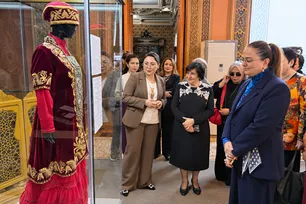 Exhibition showcasing traditional Kazakh culture opens at Azerbaijan’s National Museum
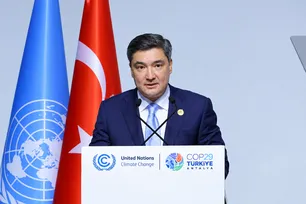 Kazakhstan signs $1.2 billion in agreements at COP31 in Antalya
Comment




Most Read
- 1 EU readies fresh sanctions on Russia amid 'absurd' demands and winter strikes
- 2 Pakistan rejects India's move to hold Indus Waters Treaty in abeyance at UN
- 3 ‘Peace through strength’: Albanese and Trump hail progress on Quad alliance
- 4 EU plans a new €45bn loan to Ukraine. How much will it cost? And will it be repaid?
- 5 Kyrgyzstan sees foreign trade rise to $14.1bln in January-September 2026