 How war on Iran affects world economy beyond energy
 Diesel crisis deepens as Hormuz conflict bites

ECONEWS – One of the main breeding sites for Armenian gull (Larus armenicus) worldwide is Lake Urmia, situated in northwestern Iran.
Econews, in a report citing TEHRANTIMES, The article notes that among the many areas of the economy fouled up by U.S. military action, diesel fuel has been hit hardest.
The Strait of Hormuz, a key chokepoint for oil and refined products, is now threatened by conflict and escalation with Iran, directly imperiling tanker traffic. Unlike crude oil, diesel is far more vulnerable. Refined products have fewer alternative routes and less spare global refining capacity, causing prices to spike more sharply.
The ripple effects are already spreading. Diesel is the lifeblood of shipping, freight, agriculture, and heating.
As prices surge, so does inflation across entire economies. Compounding the problem are limited strategic reserves. While nations maintain large stockpiles of crude oil, diesel reserves are smaller, more expensive, and harder to replace quickly.
Furthermore, markets are pricing in a sustained “geopolitical risk premium.” Even without actual supply cuts, the mere threat of a Hormuz blockade or attack is driving prices higher.
Analysts warn that unless diplomatic channels reopen, the world faces a prolonged and painful squeeze on one of its most essential fuels—threatening to choke the major driver of the global economy just as recovery remains fragile.
How war on Iran affects world economy beyond energy  Wall Street on edge as Iran conflict fuels inflation fears
  Global oil reserves depleting rapidly amid Hormuz crisis
  Trump once again pulls back on threats against Iran
  Why Washington can't close the book on Iran
 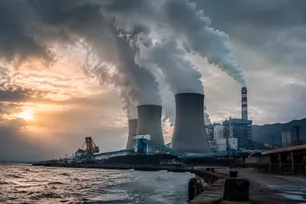 Strait of Hormuz blockade following Iran war forces global return to coal
 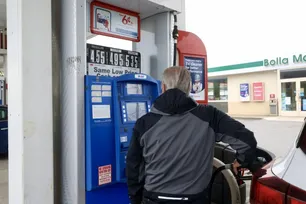 Poll shows 8 in 10 Americans blame Trump for high gasoline prices
 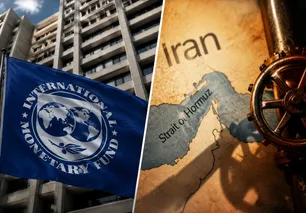 IMF sees risks to global growth forecast over sustained Iran war
 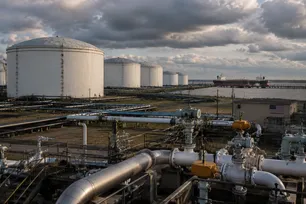 US to release 53.3 million barrels of its strategic reserves
  Iran, Oman hold talks on Strait of Hormuz shipping safety
 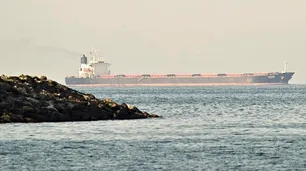 A bulk carrier stopped in Iranian waters
  Meta shares fell as a result of Iran closure of Hormuz
  Syria and confusion between external hopes and internal crises
 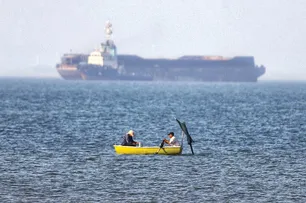 Tensions Rise in the Strait of Hormuz as Iran and US Forces Face Off in New Maritime Clashes
 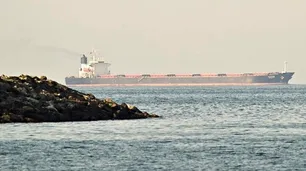 Japanese tanker transits Strait of Hormuz at Iran permission
 Comment