The weakening of U.S. influence in the Persian Gulf; the Yellow Dragon won without firing a single shot!”
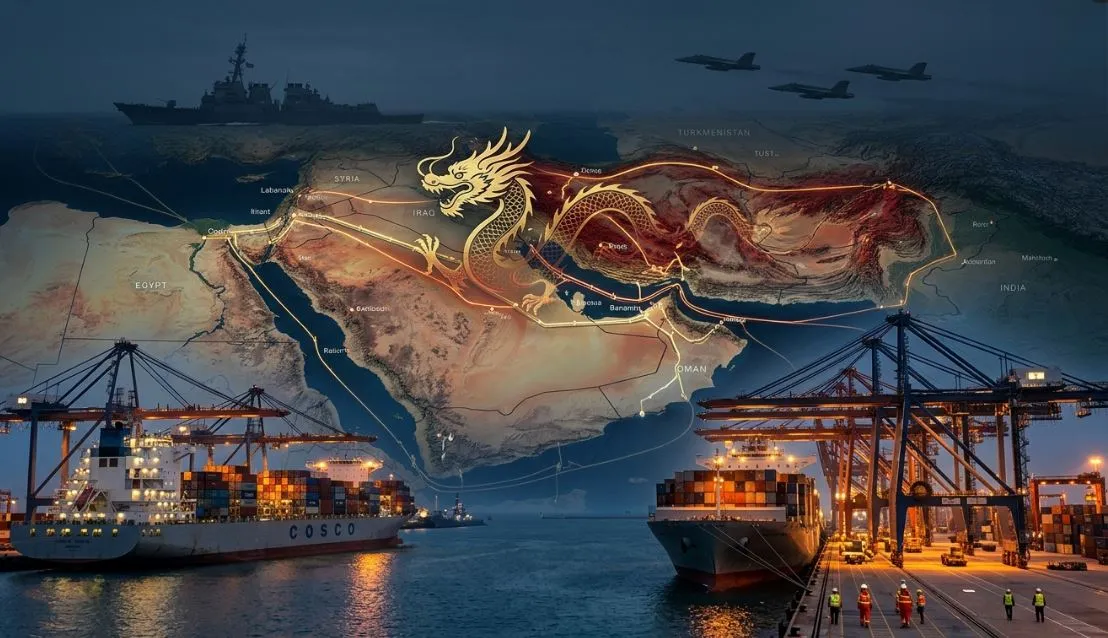
econews. According to the Iranian Economy News Agency, although the war involving Iran has gone through periods of escalation and de-escalation in recent weeks, one reality has become clearer than anything else: “China has been the greatest beneficiary of this crisis.”
Without directly entering the war, incurring enormous military expenditure, or paying a political price, Beijing has now managed to strengthen its position in both the Middle East and the global economy.
The Decline of U.S. Influence in the Region
Fareed Zakaria wrote in *Foreign Policy* that one of China’s long-term objectives has been to reduce Middle Eastern countries’ dependence on the U.S. security umbrella. With the war involving Iran, this objective is now coming closer to realization than ever before.
Throughout these years, China has never sought to replace the United States as the guarantor of regional security, since assuming such a role would entail substantial military and political costs. Instead, Beijing’s strategy has consistently been to encourage the Arab states of the Persian Gulf to strike a balance among Washington, Tehran, and Beijing.
The recent war has accelerated this process. America’s Arab allies have now clearly realized that Washington manages the conflict through shifting decisions, without paying sufficient attention to its consequences for the region’s economy, infrastructure, and security.
Consequently, while the United Arab Emirates continues its close cooperation with the United States and Israel, countries such as Saudi Arabia, Qatar, Oman, Iraq, and even, to some extent, Türkiye are increasingly pursuing a balanced policy: preserving their relations with the United States while simultaneously expanding dialogue with Iran and deepening cooperation with China.
This configuration is precisely the kind of regional order that Beijing has sought for years to bring into being. In 2023, China mediated the restoration of diplomatic relations between Iran and Saudi Arabia. It subsequently expanded its defense and technological cooperation with the Persian Gulf states. Saudi Arabia began purchasing Chinese drones and missiles, conducted joint naval exercises with China, and entered negotiations over the domestic production of Wing Loong drones. Between 2016 and 2025, more than 80 percent of China’s defense exports to the Middle East were destined for the Persian Gulf states.
Beijing’s Preparations for an Oil Shock Proved to Be Its Trump Card
At first glance, a war threatening oil supplies should be detrimental to a country such as China, which imports approximately 70 percent of its oil. Beijing, however, had spent years preparing for precisely such a crisis.
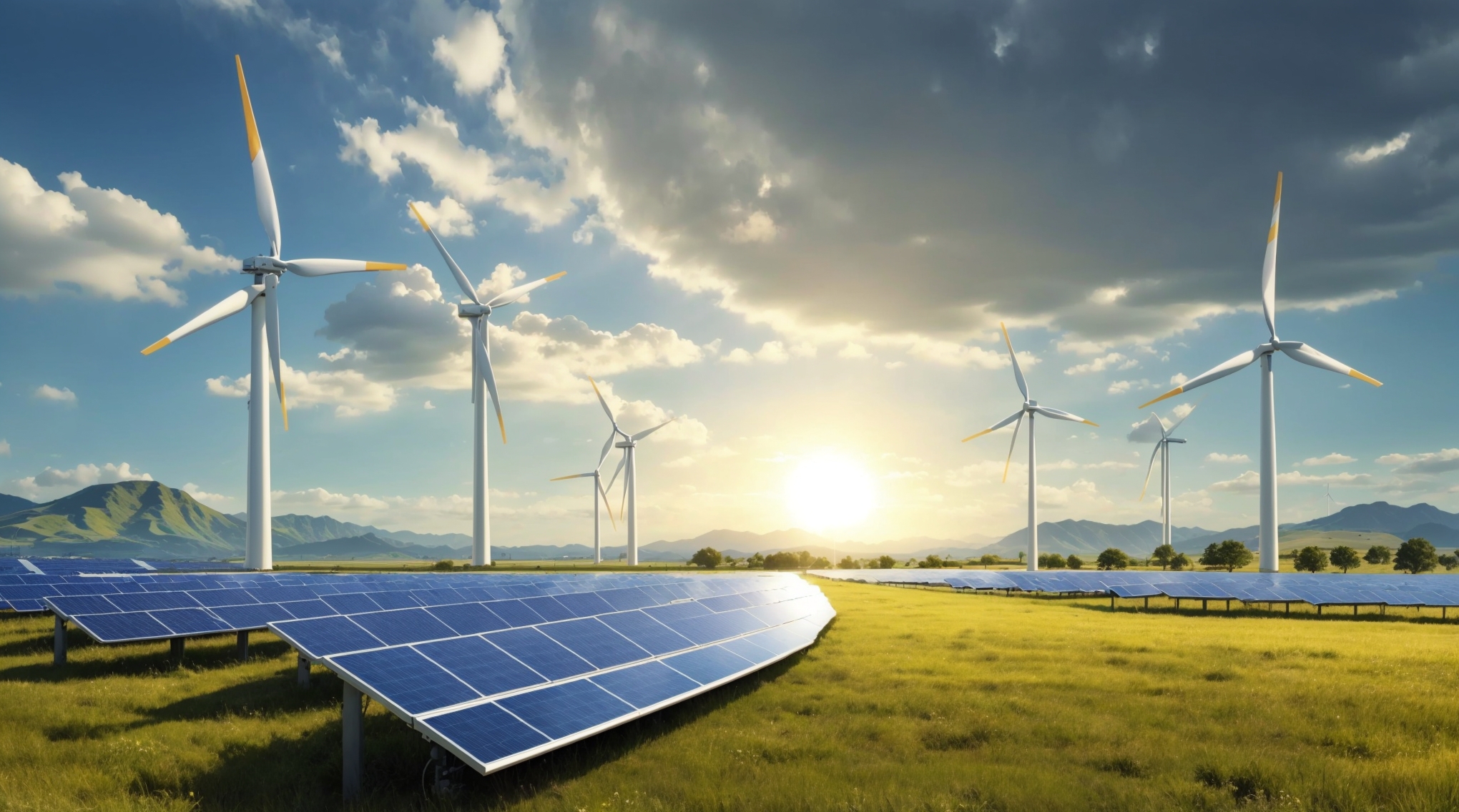
By diversifying its sources of oil imports, China built the world’s largest strategic petroleum reserves. It also reduced its dependence on coal, expanded its nuclear power capacity, and simultaneously made massive investments in electrification and renewable energy.
Electricity now accounts for approximately 30 percent of China’s energy consumption—a figure nearly 40 percent higher than in the United States and Europe. Moreover, in 2024, China installed more than half of the world’s newly added solar and wind energy capacity.
For this reason, during the war, China was able to reduce its oil imports to approximately four million barrels per day—a measure that many of the world’s major economies would not have been capable of undertaking.
The Energy Crisis as a Showcase for Chinese Technologies
Persistent energy insecurity has prompted many countries to increase investment in clean energy in order to reduce their dependence on oil—a trend from which China stands to benefit more than any other country.
China controls approximately 91 percent of the world’s solar-panel manufacturing capacity and 89 percent of its lithium-ion battery production capacity. Chinese companies also manufacture at least 70 percent of the core technologies used in the clean-energy sector.
The greater the concern over energy security, the higher the global demand for solar panels, batteries, electric vehicles, wind turbines, and electricity grids—all products in which China is a dominant player in the global market.
Renewable Energy
Another Step Toward Reducing the Dollar’s Dominance
The war has also advanced another of China’s strategic objectives: reducing global trade’s dependence on the U.S. dollar.
The author claimed that, according to reports, Iran has made the passage of certain oil tankers through the Strait of Hormuz conditional upon transactions being conducted in Chinese yuan or digital currencies. In recent years, China and its partners have likewise sought to increase the yuan’s share of international trade in order to reduce dependence on the dollar-based financial system and vulnerability to U.S. sanctions.
Although this process will unfold gradually, signs of a shift toward diminishing the dollar’s dominance are now more evident than ever.
A Balance of Damage and Enhanced Credibility
The war involving Iran began as the Trump administration was setting out sweeping objectives, including regime change, the destruction of Iran’s nuclear program, the elimination of Tehran’s missile capabilities, and an end to Iran’s support for proxy forces.
In practice, however, none of these objectives was achieved. Washington’s principal focus has now shifted largely to reopening the Strait of Hormuz—a waterway that had already been open before the war began.
In addition to costing the United States billions of dollars in military expenditure, the war consumed a significant portion of the country’s munitions stockpiles, diverted military resources away from Asia, and heightened concerns among Washington’s allies.
China, by contrast, incurred almost no cost. It continued purchasing Iranian oil, preserved its relations with Arab countries, and refrained from directly entering the crisis. This is the same pattern on which Beijing’s foreign policy has rested in recent years: avoiding direct confrontation while gradually expanding its influence.
The Country That Stayed Out of the Battlefield Won the War
Over the past quarter-century, the United States has undertaken three major military interventions in the Middle East, paying a heavy financial, military, and political price. During the same period, China has concentrated on developing its industry and technology and expanding its economic and diplomatic relations.
The recent war has, of course, not been entirely without cost for China. Rising energy prices, supply-chain disruptions, and slower global economic growth have also affected the country. Yet in the balance of power, what matters is the relative comparison of gains and losses among the various actors.
While the United States has faced an erosion of credibility, rising costs, and declining regional influence, China has managed to strengthen its position in the Middle East and the international order without firing a single shot.