Microsoft retreats in China, but AI boom helps it keep a window open
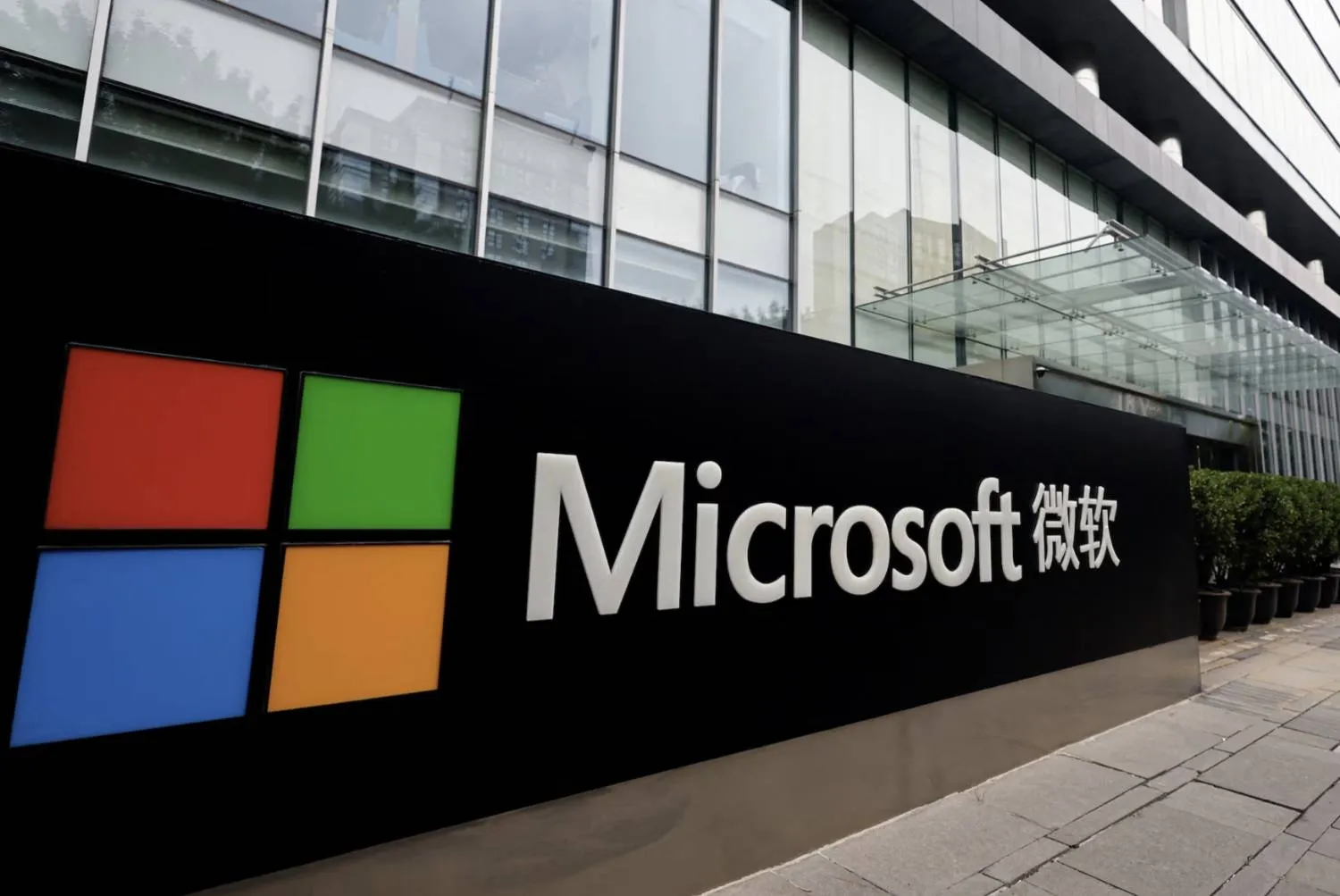
Microsoft once regarded the idea of quitting China as unthinkable. The year was 2010 and Google was about to exit due to concerns over censorship and cyberattacks. That decision was lauded by democracy activists, but not Bill Gates and Microsoft's then-CEO Steve Ballmer, who suggested Google was overreacting.
econews. In the past five years, however, at least 15 Microsoft branch offices and joint ventures in China have been shut, corporate filings show, and Microsoft is pursuing what five company sources described as a strategy of retreat.
The firm considered quitting the market in 2023 because some executives felt it took on too much geopolitical risk for too little economic return, one of them said, while stressing Microsoft has no current plans to exit. China accounted for just 1.5% of global revenue, Microsoft said in 2024.
Microsoft took a major hit from the erosion of trust between Washington and Beijing, the five people said. China has since 2017 pushed the use of domestic software, which Beijing sees as more secure and whose quality is increasingly competitive with Windows and Office. U.S. restrictions, including export controls on advanced technology, have meanwhile hindered efforts to scale Microsoft's lucrative AI and cloud businesses in China.
Details of Microsoft's internal deliberations about its future in China have not previously been reported.
Other U.S. tech giants with large China businesses are also reconsidering their exposure amid geopolitical tensions. Apple plans to manufacture in India most iPhones sold to Americans by the end of 2026, while Elon Musk last month denied reports that Tesla is debating separating its China business.
Microsoft ultimately decided to remain because it had carved out a profitable business servicing Chinese companies like TikTok owner ByteDance, which need Western technology to manage overseas operations, according to three people familiar with the matter. The company also believed that it needed a presence to maintain access to China's world-class engineering talent, two of them said.
Microsoft had also cultivated a relationship with the government that is among the deepest of any tech company, its former China head Alain Crozier told Reuters. "Because of the geopolitics … some days it's a little bit harder, but we never had a crisis," he said.
A Microsoft spokesperson did not address questions about the firm's deliberations on its China business but said it operates in a regulatory "environment that applies to every international supplier" and that it remains committed to the Chinese market.
The state of Microsoft's China business reflects market competition, regulatory demands and technological trends, the company said.
ByteDance did not respond to questions about its relationship with Microsoft.
CHINA BLUES
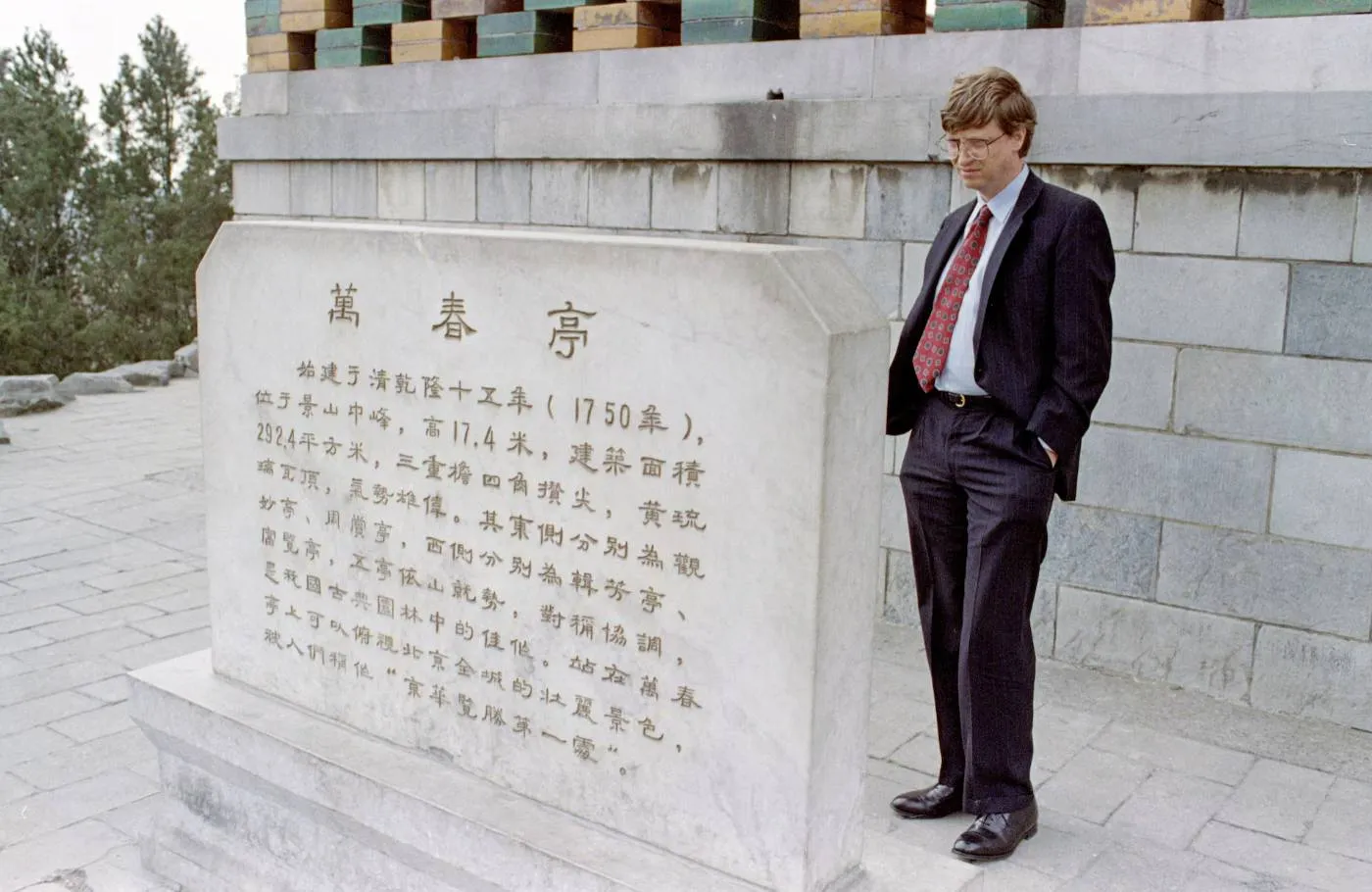
Microsoft's engagement with the highest levels of China's government dates back to the early 1990s. Gates made the first of his many visits in 1994 and was received by President Jiang Zemin, who advised the Microsoft co-founder to study Chinese history.
The company has since made various efforts to build a relationship with the ruling Communist Party. Microsoft co-invested in startup incubators with the government and complied with censorship requirements that Google — now part of Alphabet — could not countenance.
By the mid-2010s, however, China had become increasingly suspicious of Western technology after revelations that U.S. firms had helped Washington spy on foreign governments. That was problematic for Microsoft as China's largest companies are either state-owned or maintain close government ties.
Microsoft's response was Windows 10 China Government Edition, whose release was personally negotiated between chief executive Satya Nadella and finance ministry officials, according to a person familiar with the matter.
The product was adopted by several government agencies, but did not take off as Microsoft hoped, said Crozier, who ran China operations through 2021.
At around the time of the Windows announcement in 2017, the Chinese government introduced new procurement guidelines that it billed as a framework for purchasing "safe and reliable" services. No foreign operating system, including Windows, has been regarded by the government as compliant with those policies, Microsoft said.
Non-compliance did not mean products were banned but it subjected tech administrators who used such services to scrutiny, including having to run more security checks and seek additional approval, said Paul Triolo, a Washington-based China tech policy expert at DGA-Albright Stonebridge Group.
Reuters reviewed six Chinese government computer-system procurement guides published between December 2023 and May 2026. Five did not recommend Microsoft. The sixth included Windows 10 China Government Edition but said its usage was subject to "additional management requirements," without elaborating.
The Chinese tech and finance ministries did not respond to questions about the effect of regulations on Microsoft's business.
U.S. businesses operating in China, which have long complained about an uneven playing field, have had their confidence further dented by deteriorating Sino-American ties. Just 52% of respondents to the American Chamber of Commerce in China's latest business climate survey said China was a top global investment priority, down from 62% in 2019.
While its efforts to become the Chinese state's tech vendor of choice did not pay off, Microsoft found a second wind with the private sector.
Firms like ByteDance and ultra-fast-fashion retailer Shein have key businesses serving Western customers and rely on Microsoft's Azure cloud to manage data in compliance with foreign regulations, two company sources said. Microsoft also offers Chinese enterprise clients exclusive access via Azure to Western AI models from providers like OpenAI, which do not serve China.
By the mid-2020s, helping Chinese firms go global had become Microsoft's largest China-linked business, three people said. Two of them stressed that sales remained small by the firm's global standards.
Analysts have additionally questioned the sustainability of that AI business, which relies on third-party suppliers like OpenAI. Chinese businesses also do not need Azure if they use domestic AI models like Kimi, which are increasingly competitive with Western alternatives while being far cheaper.
OpenAI and Shein did not respond to questions.
HUMAN CAPITAL
Microsoft has since the 1990s played a central role in building China's tech talent base.
Alongside hiring commercially focused engineers, it also established Microsoft Research China, which concentrates on advanced technologies. The lab's alumni include senior leaders at AI pioneers SenseTime and DeepSeek.
But the recent political pressures have affected Microsoft's ability to retain talent.
U.S. export controls on chips and AI models have restricted the access of Microsoft's China-based engineers to cutting-edge technology. The firm doesn't conduct research on quantum computing and other sensitive technologies in China, Microsoft president Brad Smith told U.S. lawmakers in 2023.
Microsoft considered shutting the lab down but ultimately decided to relocate some top talent, according to two people familiar with the matter. Since the U.S. began restricting AI exports, Microsoft Research China — now known as Microsoft Research Asia — has opened labs in Vancouver, Singapore and Tokyo.
The firm has, however, struggled to convince developers to leave China. It offered 1,000 top engineers relocation to the U.S. and three other Western countries in 2024, but only about a third accepted, the sources said.
Microsoft confirmed it offered transfer opportunities that year but declined to provide more details.
Many senior engineers instead left for Chinese universities and tech firms, where they can conduct top-level research while remaining close to family, both sources said.
Microsoft had previously warded off poaching efforts by domestic rivals. The firm had an attrition rate of roughly 17% in the mid-2010s, though Crozier said Microsoft reduced it to under 10% by growing new businesses, like servicing ByteDance, and offering staff global opportunities.
There is "up and down in terms of the number of people and maybe some of the things that were developed over there," he said. "But we never change one inch of the fact that we will bring technology into China… for China, for Chinese companies."
Reuters reports
Comment