Egypt’s Amina Orfi becomes youngest women’s squash world number one at 19
Orfi, the reigning senior and junior world champion, topped the rankings with victory at the Qatar Classic last week.
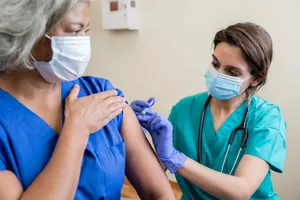
Moderna's COVID Vaccine Was a Historic Success. Could Its Cancer Vaccine Be Even Bigger?
Moderna (MRNA+1.00%) has skyrocketed by more than 460% over the past 12 months as the company has made outstanding clinical and regulatory progress. Notably, Moderna earned approval for mFLUSIVA, an influenza vaccine that beat some competing vaccines in phase 3 studies.
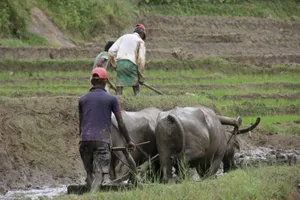
How Sri Lanka’s heirloom rice can preserve Indigenous farming and help manage disease
WASGAMUWA, Sri Lanka – Prior to the 1940s and the Green Revolution, Sri Lankan paddy farmers cultivated traditional rice, locally known as purana haal. These rice cultivars were resilient and known to possess various nutritional and medicinal properties yet were soon replaced by new improved rice varieties to obtain better quality and bigger yields.
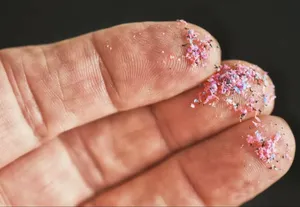
What Do We Actually Know About the Microplastics Inside Us?
Pervasive plastic contamination and unreliable methods have clouded the science on microplastics in the human body. In an interview, Australian scientist Cassandra Rauert, who built a plastics-free lab to study human exposure, explores the challenges for researchers.

Soft optical sensor offers new way to map the heart and brain
For people living with cardiac or neurological conditions, monitoring organ activity is an important part of diagnosis and treatment. But existing technology relies heavily on electrically based systems that often require a network of electrodes to be attached directly to the organ site.
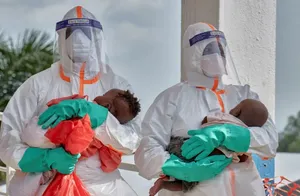
DR Congo Ebola epidemic becomes world’s second largest outbreak
Officials declare the outbreak the fastest spreading ever, warning the world to ‘pay much more attention’.
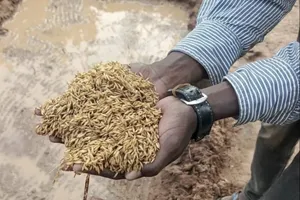
Inside the ‘America First’ makeover of a global hunger program
In remaking USAID’s Feed the Future Innovation Labs, the Trump administration is abandoning an agricultural research effort built to benefit the world.
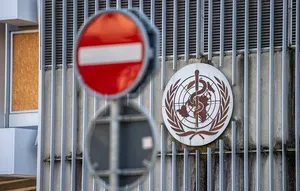
WHO declares public health emergency over Ebola in Africa
The World Health Organization (WHO) has declared a public health emergency of international concern over the spread of Ebola in the Democratic Republic of the Congo and Uganda.