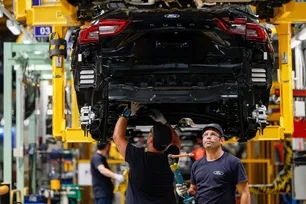
 Ford objects to EU plan to exclude Turkiye-made vehicles from 'Made in Europe'
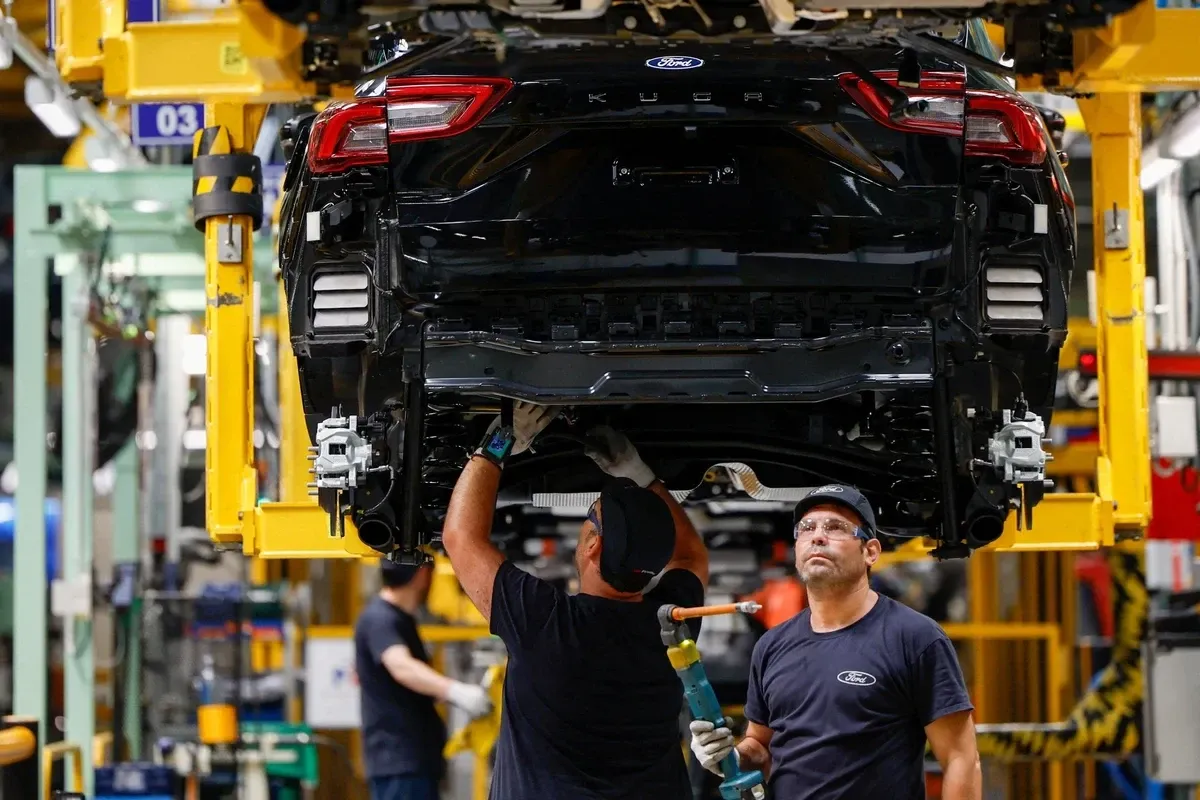
econews . Ford Europe President Jim Baumbick said excluding Turkish-made Transit vans would penalize investments made under EU rules and weaken automakers against China.
econews. Ford Europe President Jim Baumbick criticized the exclusion of vehicles made in Turkiye under the EU’s proposed “Made in Europe” rules, saying the move would penalize Ford for investments it made under the rules in place at the time.
In an interview published Monday by German business daily Handelsblatt, Baumbick said the proposal would make Ford Transit vans assembled in Turkiye ineligible for vehicle purchase incentives and public contracts.
Under the planned rules, those benefits would be reserved for vehicles produced entirely in the EU, the newspaper reported.
Baumbick said excluding vehicles made in Turkiye would weaken automakers operating in Europe. He urged EU policymakers to focus on helping those manufacturers compete with their main rivals in China.
He said half of the parts used in the Transit are produced in Europe and that the vans were developed and tested in Germany, the UK and Belgium in line with EU rules at the time.
Ford invested heavily in production in Turkiye, a major EU trading partner, under those rules, Baumbick said. He called on the EU to protect existing investments.
Asked whether Ford could move Transit production to its plant in Cologne, Germany, Baumbick said the investment in Turkiye was only three years old and the company had yet to recoup it.
Moving assembly now would cut the vehicle’s product cycle short and could reduce manufacturing capacity, he said. Relocating production would add costs without improving the van or making Ford more competitive, he added.
Baumbick said automakers make investment decisions over horizons of 10, 20 or 30 years. He urged policymakers to use incentives to guide future investment and give companies enough certainty to plan production over those periods.
Ford objects to EU plan to exclude Turkiye-made vehicles from 'Made in Europe'  Global rating agencies' positive signals expected to support foreign investments into Turkiye
 Turkiye's Akinci drone releases Roketsan's Orka torpedo in first-ever test
Comment



Most Read
- 1 Pakistan rejects India's move to hold Indus Waters Treaty in abeyance at UN
- 2 EU readies fresh sanctions on Russia amid 'absurd' demands and winter strikes
- 3 ‘Peace through strength’: Albanese and Trump hail progress on Quad alliance
- 4 EU plans a new €45bn loan to Ukraine. How much will it cost? And will it be repaid?
- 5 Kyrgyzstan sees foreign trade rise to $14.1bln in January-September 2026