 UN warns Black Sea attacks driving global food insecurity as grain shipments fall 63%
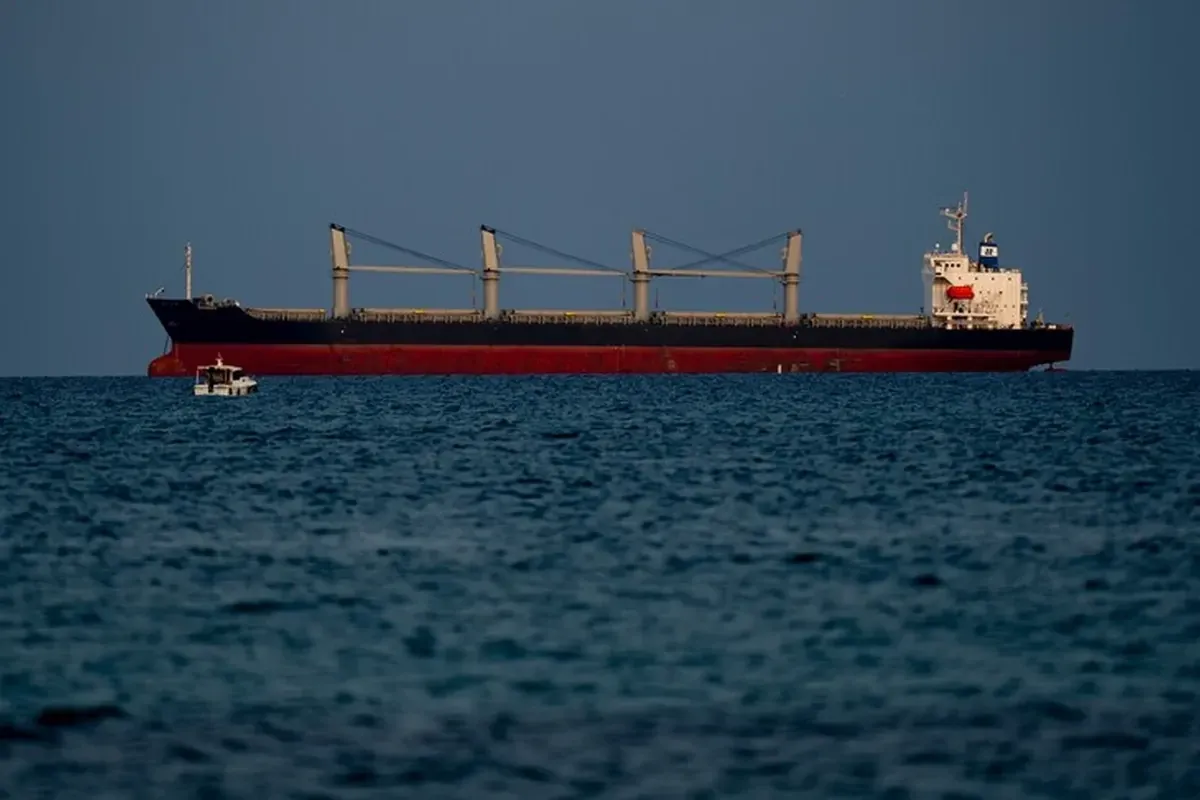
econews . Senior UN officials have warned that escalating attacks on Black Sea commercial shipping and Ukrainian infrastructure are driving acute humanitarian emergencies and severe food insecurity worldwide, Anadolu Agency reported.
econews. Senior UN officials warned on Monday that escalating attacks on Black Sea commercial shipping and Ukrainian infrastructure are driving acute humanitarian emergencies and severe food insecurity worldwide, Anadolu Agency reported.
As of mid-October, 63 percent fewer wheat and maize vessels were moving through the Turkish Straits than at the same point in 2025, according to figures cited at a UN Security Council briefing chaired by Latvian President Edgars Rinkevics.
World Food Program Executive Director Luke J. Lindberg called the Black Sea the deadliest maritime route in 2026, reporting more than 300 attacks and at least 40 deaths this year, and warning that roughly 10 million tons of Russian and Ukrainian wheat, enough to feed 44 million people, may fail to reach import-dependent nations.
UN Under-Secretary-General Rosemary DiCarlo said the UN human rights office logged 164 reported vessel attacks between June and October, verifying 15 that killed at least 21 workers and injured 43.
Lindberg added that a triple chokepoint across the Strait of Hormuz, Bab el-Mandeb and the Black Sea could add $727 million to WFP operating costs by mid-2027, jeopardizing food aid for 7.3 million people. The FAO Food Price Index reached a near four-year high in September, with global wheat prices up nearly 10 percent since January.
Grain silos in Ukraine and Poland are full, while families in Somalia, Sudan, and South Sudan suffer catastrophic hunger, he said. UN Development Program Administrator Alexander De Croo said attacks on Ukrainian energy and water grids have left a 6-gigawatt electricity gap, cutting power to 700,000 families on November 12 alone.
UN warns Black Sea attacks driving global food insecurity as grain shipments fall 63%  Russia threatens 'hostile' Estonia with 'open war'
 EU and Indonesia sign landmark trade deal after decade of talks
Comment




Most Read
- 1 Pakistan rejects India's move to hold Indus Waters Treaty in abeyance at UN
- 2 EU plans a new €45bn loan to Ukraine. How much will it cost? And will it be repaid?
- 3 Kyrgyzstan sees foreign trade rise to $14.1bln in January-September 2026
- 4 As Trump arrives in China, low expectations for breakthroughs in rivalry
- 5 Zelensky suggests new round of peace talks could happen during G-20 summit