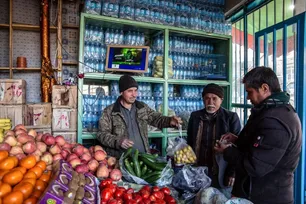
 Afghan fresh fruit exports fall 88% as trade through Central Asia doubles
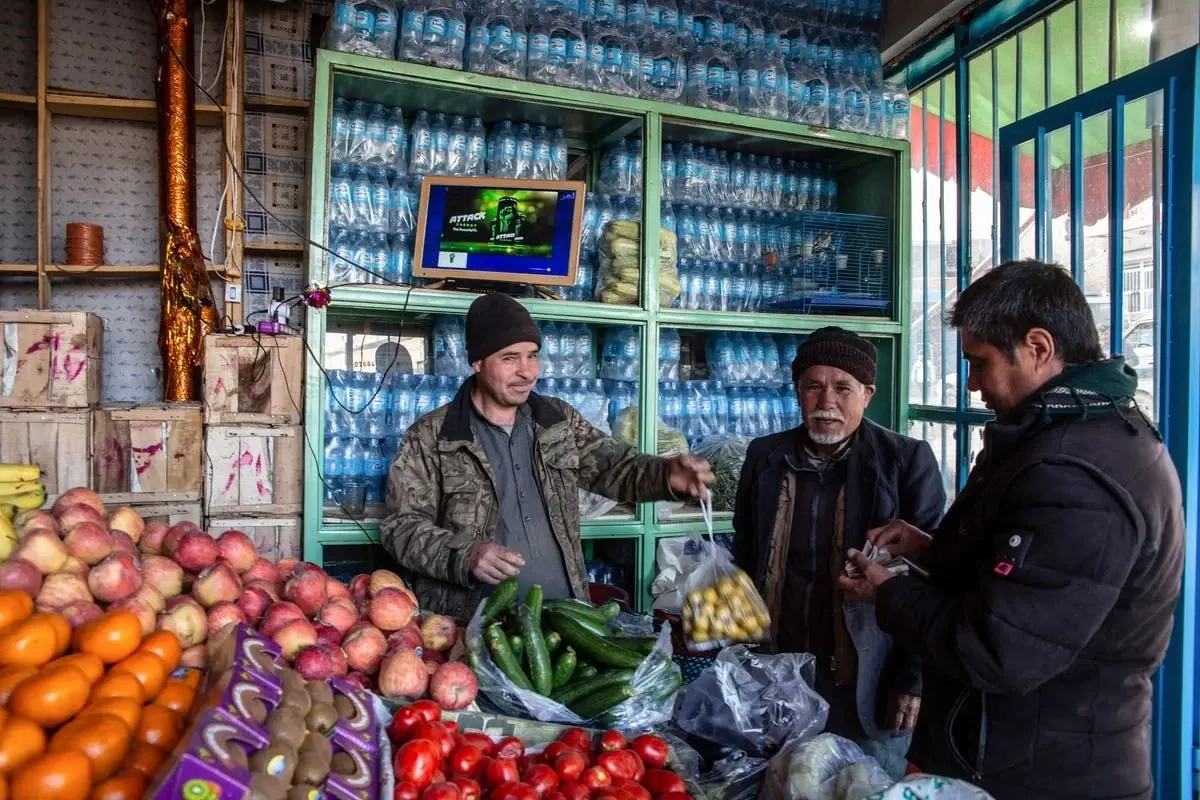
econews . World Bank data shows Central Asia absorbing a bigger share of Afghan trade after Pakistan's border closure, while the loss of the Pakistani market wiped out most of the country's fresh fruit exports.
econews. Afghanistan moved 210 million dollars of goods through Central Asian trade routes between April and September 2026, more than twice the value recorded a year earlier, even as its fresh fruit exports collapsed by 88 percent by weight over the same period, according to the World Bank's November Afghanistan Development Update, as reported by The Times of Central Asia.
Central Asia's share of Afghan imports reached 42.2 percent by value in the six months to September, up from 27.2 percent a year earlier, the bank found in its analysis of Afghan customs records. The shift follows the closure of Afghanistan's main border crossings with Pakistan in October 2025.
Before the closure, Pakistan took 96 percent of Afghan fresh fruit exports by weight. About 490,000 tons of fresh produce lost its export market in six months, and overall food exports fell from 745,000 tons to 200,000 tons, a drop of roughly 73 percent. The border remained shut during the apple and pomegranate harvest.
Kazakhstan has moved into the gap, selling 215.6 million dollars of flour to Afghan customers in the first seven months of 2026 and exploring rail routes through Afghanistan towards Pakistani ports. Grapes and melons that once fed Pakistani markets earned only 28 to 31 cents per kilogram, and alternative routes covered just 9 percent of the lost fruit volume, none for vegetables, as the cost of air freight or a longer trip by road put more distant buyers out of reach.
Central Asian sales supported grower prices, but the loss of the Pakistani trade eroded farm incomes, with field reports indicating a larger fruit harvest than the previous year.
Afghan fresh fruit exports fall 88% as trade through Central Asia doubles  Afghanistan’s new road to China ends at a closed border
 Russia sends major business delegation to Kabul for business talks with the Taliban
Comment




Most Read
- 1 Pakistan rejects India's move to hold Indus Waters Treaty in abeyance at UN
- 2 EU plans a new €45bn loan to Ukraine. How much will it cost? And will it be repaid?
- 3 Kyrgyzstan sees foreign trade rise to $14.1bln in January-September 2026
- 4 As Trump arrives in China, low expectations for breakthroughs in rivalry
- 5 Zelensky suggests new round of peace talks could happen during G-20 summit