 Konya Airport Slashes Transit Delays by 35% with Biometric Gates as City Launches GoKonya Global B2B Platform
econews . Konya is enhancing its presence in the international tourist market through the GoKonya destination brand, which is giving renewed prominence to the city’s cultural, historical and culinary attractions among travel professionals.
econews. Its first appearance at the International Antalya Tourism Fair 2026 was an opportunity to introduce local tourism operators and global travel agencies and tour operators. The GoKonya destination promotion by the Konya Metropolitan Municipality resulted in a gathering of around 50 stakeholders representing tourism associations, hotels, travel agencies and other industry-related businesses associated with the destination. Discussions during business meetings focused on creating new tour programmes, joint promotional activities and future partnerships. This is significant for a destination with no past international visitors, apart from the domestic market, and is not to be confused with the launch of a new international digital B2B booking or industry matching platform. The sole previously announced development was the GoKonya marketing campaign and industry’s network-building efforts, whereas the municipality already offers a digital tourism platform titled Smart Destination Konya. The digital promotional programme was launched in 2024 and integrates five travel experiences (religious tourism, rural tourism, local food tourism, cycling and trekking) with a variety of digital information. Such initiatives may help raise Konya’s international visibility in tourist markets.
Konya Airport Remains an Important Gateway
Konya Airport plays an important role in connecting the city with domestic and international visitors. Located approximately 18 kilometres from the city centre, it provides access for leisure travellers, business visitors and passengers arriving for cultural events.
The airport’s published terminal specifications describe a shared domestic and international terminal covering 24,175 square metres. Its facilities include 12 passenger check-in counters, four arriving-baggage conveyors, six arrival passport-control booths and six departure passport-control booths.
These facilities support passenger processing, but the published information does not confirm a newly completed installation of automated contactless immigration gates.
There is also no independently verified evidence that a new electronic validation system has reduced processing times by 35 per cent for premium corporate passengers.
Contactless border technology is becoming more prominent internationally, with airports increasingly exploring biometric identity checks and automated passenger processing. Such systems can help improve passenger flow, but their introduction requires appropriate infrastructure, government approval, operational testing and safeguards for personal information.
For Konya, any future immigration technology upgrade could support international accessibility, particularly if the city attracts more visitors through its growing tourism partnerships. Until an official announcement confirms an installation, however, the airport’s existing published facilities remain the reliable reference point.
Mevlana Museum Strengthens Konya’s Cultural Tourism Appeal
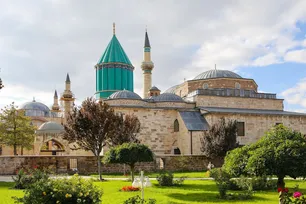
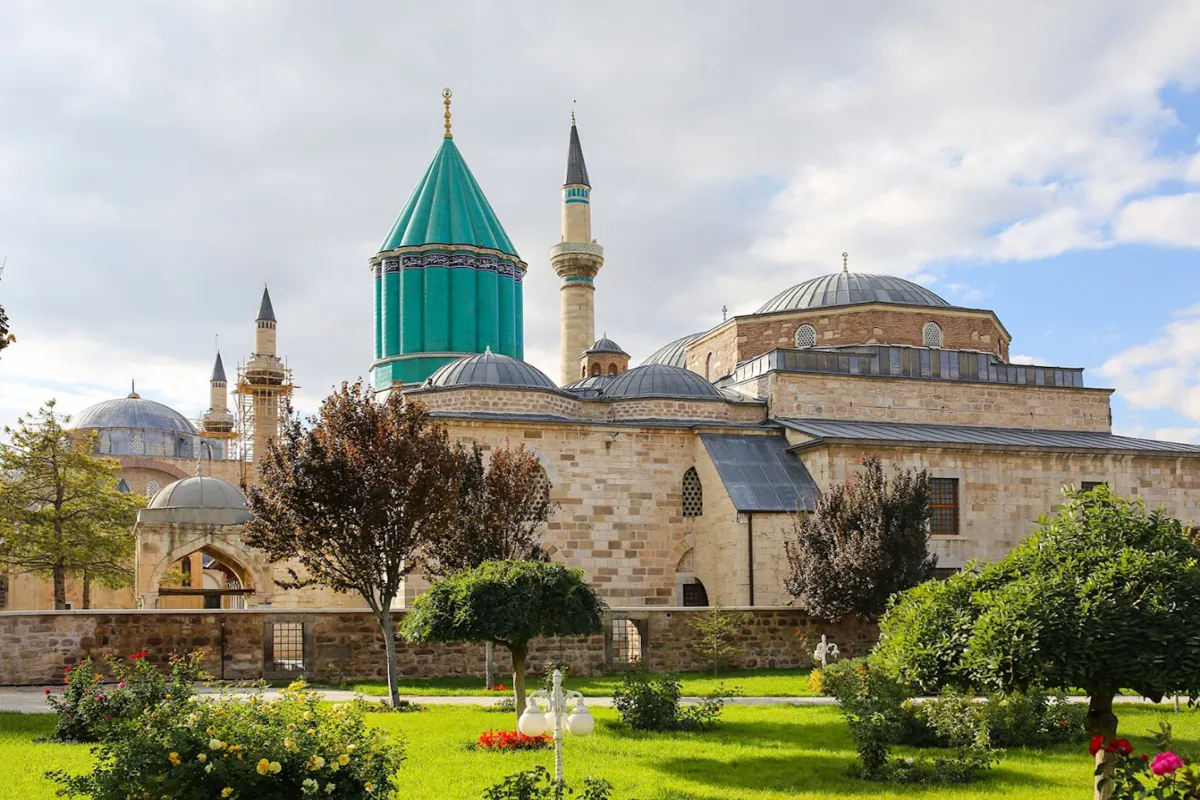
Konya’s international tourism profile is closely connected to its spiritual and historical heritage. The Mevlana Museum, associated with the life and teachings of the 13th-century Sufi poet and philosopher Jalaluddin Rumi, remains one of Türkiye’s most important cultural attractions.
The museum recorded 3,062,800 visitors in 2025, according to figures reported in January 2026. The result underlines its continuing appeal to domestic and international visitors interested in Rumi’s teachings, Mevlevi traditions and the city’s historical identity.
The annual Şeb-i Arus commemorations in December also provide a major reason for international cultural and religious travel to Konya. Visitors attend ceremonies and explore the city’s museums, historic religious sites and cultural institutions during this period.
Beyond the Mevlana Museum, Konya offers attractions that broaden its tourism proposition. These include the Karatay and İnce Minare museums, historic Seljuk architecture and the archaeological landscape of Çatalhöyük, a UNESCO World Heritage Site.
The combination of spiritual heritage, archaeology, architecture and gastronomy gives tour operators opportunities to develop itineraries that appeal to different visitor groups.
Business Travel and Hospitality Support Future Growth
Konya also has an established hospitality base that can support corporate visitors, tour groups and international events. The city’s investment promotion information lists more than 140 hotels, including nine five-star properties, alongside more than 200 tourism agencies.
This accommodation and travel-service network provides a foundation for further business tourism development. Hotels can serve visiting executives, international delegations, conference participants and travellers combining professional commitments with cultural experiences.
The city’s industrial and commercial profile also creates opportunities for specialist business visits. Companies and professionals connected with manufacturing, machinery, agriculture and engineering can find reasons to travel to Konya beyond conventional sightseeing.
The GoKonya initiative’s presence at an international tourism fair is relevant in this context because it brings hotels, agencies and destination stakeholders into contact with potential overseas partners.
Nevertheless, no verified figures currently establish a specific increase in corporate hotel bookings or premium accommodation revenue resulting from the latest promotional activity.
Conclusion: Konya Strengthens Its Position in International Tourism
Latest Konya tourism activity reflects a clear focus on increasing international exposure by way of sector networking, destination marketing and online visitor information. The activation of conferencing by GoKonya through its presence at the Antalya Tourism Fair generated consultations with approximately 50 tourism actors and, over the course of the event, identified potential sales opportunities with travel agents and tour operators. Konya’s main cultural attractions, the Mevlana Museum and Çatalhöyük, create a particularly strong case for the city to attract increased foreign visitors. With regard to aviation, Konya Airport remains an integral part of the destination’s transport network, though references to contactless immigration gates having been introduced and a 35 per cent decrease in processing times have not been substantiated. Overall, the city’s cultural assets, hospitality provision and outward engagement with the international trading community make Konya an interesting destination in the country’s ever-changing visitor economy.
Konya Airport Slashes Transit Delays by 35% with Biometric Gates as City Launches GoKonya Global B2B Platform  Türkiye’s Gaziantep to lead 7-province tourism push in ancient heartland
 Turkish, Kuwaiti foreign ministers discuss regional developments
Comment




Most Read
- 1 Saudi Budget Deficit More Than Doubles as War Strains Finances
- 2 US will mediate upcoming Ukraine-Russia talks in Abu Dhabi, Witkoff says
- 3 Pharma's next cash cows could be specialized treatments
- 4 Oil prices steady at $106 after sharp declines
- 5 Uber pays its drivers ‘wages’ and is liable for $81m payroll tax bill, Australia’s high court rules