 Uber pays its drivers ‘wages’ and is liable for $81m payroll tax bill, Australia’s high court rules
Saudi Budget Deficit More Than Doubles as War Strains Finances
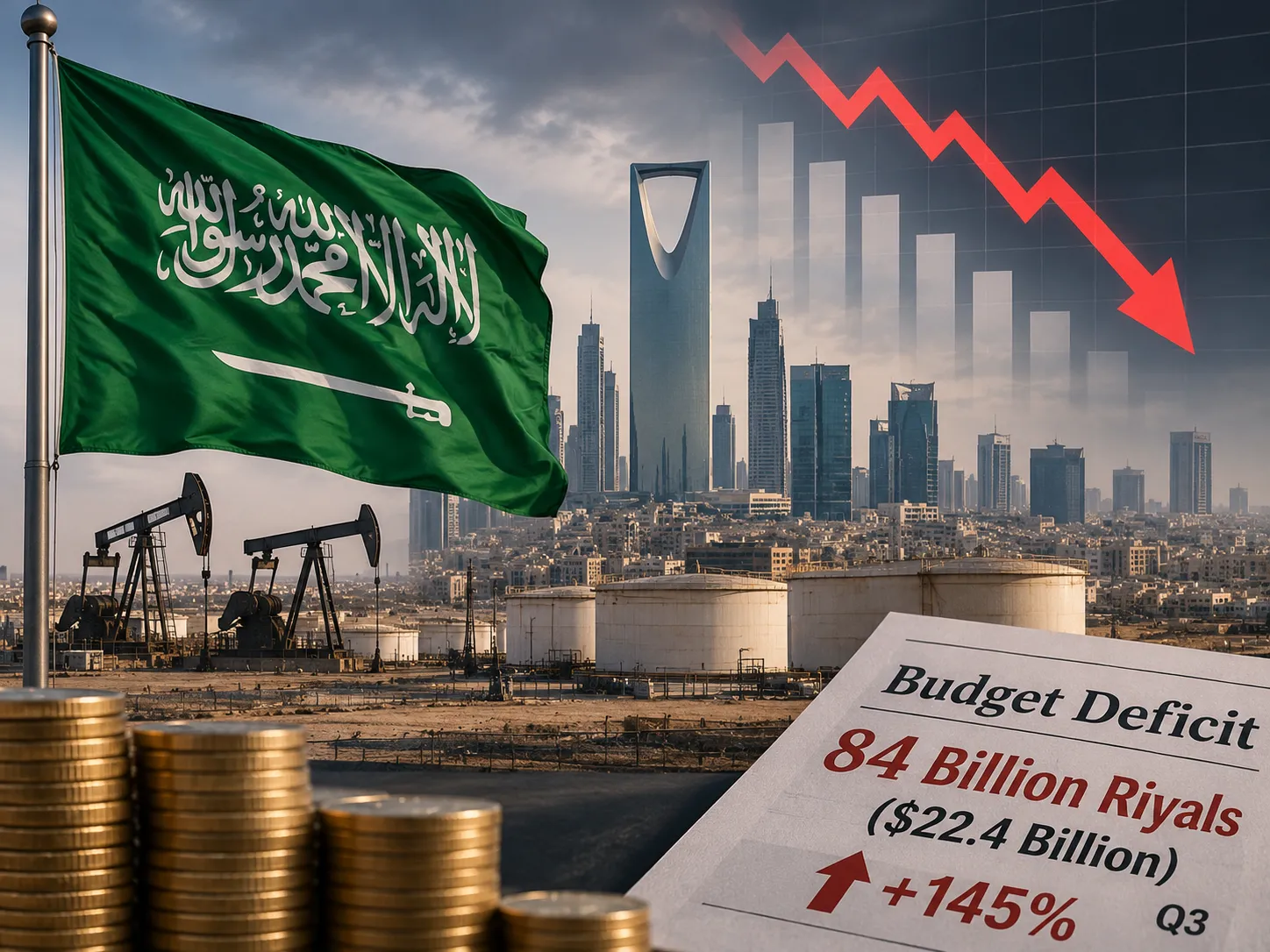
econews . Saudi Arabia’s quarterly fiscal deficit more than doubled as the kingdom faces the financial toll of the US-Iran war that began more than eight months ago.
econews. The government posted a budget shortfall of 84 billion riyals ($22.4 billion) in the third quarter, up about 145% from the prior period, state-run Al Ekhbariya TV reported, citing the Finance Ministry.
The higher deficit underscores the fiscal strain Saudi Arabia is under as conflict in the Middle East disrupts exports of crude oil — the kingdom’s single biggest source of earnings — and drives elevated wartime spending. It also dovetails with an economic contraction of 3.8% over the same time period, mostly due to depressed oil activities.
Saudi authorities in September increased their projected budget deficit for this year to 4.9% of GDP and said the economy will probably contract 3.6%, similar to the decline posted at the height of the Covid-19 pandemic in 2020.
The US-Iran war, which broke out on Feb. 28 and threatens to flare up in coming weeks, has threatened Saudi infrastructure, disrupted oil output and effectively closed the Strait of Hormuz, the Persian Gulf chokepoint through which most pre-war oil exports flowed.
The world’s largest oil exporter has managed to offset some of the impact of the war by using a backup pipeline to move crude to the Red Sea port of Yanbu. It’s now exporting crude at some of the highest levels of the war and is benefiting from higher oil prices.
Brent crude traded around $105 a barrel on Tuesday.
Should oil exports continue and Brent stay near that level, the kingdom stands to make an additional $8 billion in oil revenue across October and November, according to Mohamed Abu Basha, head of macroeconomic analysis at investment bank EFG Hermes.
At the same time, the kingdom has increased its forecast for spending amid expectations it will need to direct more money to defense and infrastructure to support the economy.
Expenditure needs may only have increased since the end of the third quarter as Saudi Arabia has faced escalating threats from the Ansarallah in Yemen.
In October, they stepped up attacks on the capital, Riyadh, killing more than a dozen people, curbing air travel and delaying major showpiece events.
The International Monetary Fund has said Saudi Arabia’s fiscal buffers and backup oil-export facilities are helping curb damage to the economy. It still sees the kingdom as better placed than its Gulf peers to ride out the upheaval.
The kingdom has said it plans to continue borrowing in public and private markets to plug its fiscal deficit and said it remains flexible in its ability to adjust spending to face economic and geopolitical changes.
By Mirette Magdy
Uber pays its drivers ‘wages’ and is liable for $81m payroll tax bill, Australia’s high court rules  Asian Stocks Fall as Democratic Gains in US Add to AI Worries
 Iran says US reply to Hormuz plan ‘unconvincing’; Trump confirms strikes
Comment



Most Read
- 1 ‘Arab voice doesn’t count’: Jewish Israeli blocs reject Palestinian support
- 2 DC and Virginia sue to block Trump arch construction
- 3 Multiple tankers and drone reported struck around Hormuz
- 4 France's third weekend of social protests sees lower turnout and early clashes in major cities
- 5 Patrick Stewart, ‘Star Trek’ Captain Picard and ‘X-Men’ actor, dies at 86