 Iran issues permits for six flare gas collection projects
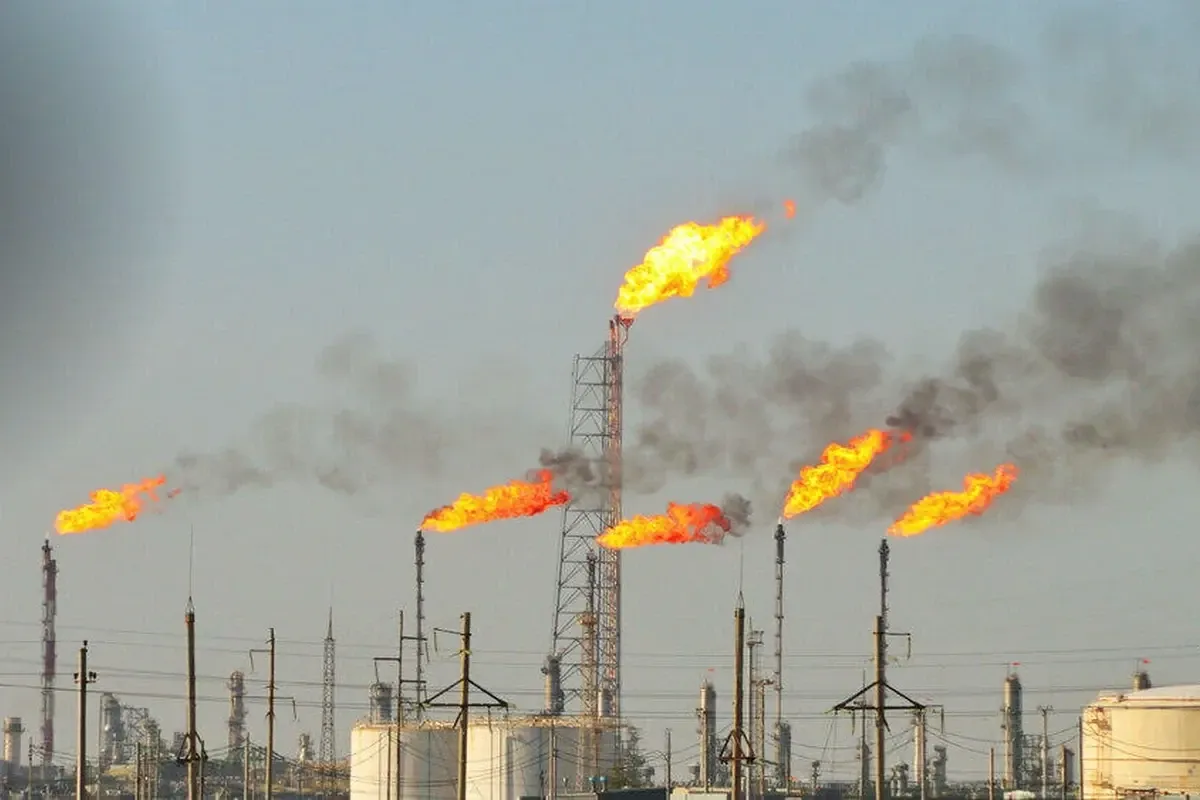
econews . Iran's Oil Ministry has issued permits for six flare gas collection projects in the current Iranian calendar year, as the country moves to cut the burning of associated petroleum gas, curb pollution and ease a winter gas shortage
econews. Iran's Oil Ministry has issued permits for six flare gas collection projects in the current Iranian calendar year, which began in March, as the country moves to cut the burning of associated petroleum gas
Mohammad Taghi Jafarzadeh, deputy for environmental protection at the ministry's HSE General Directorate, said the programme is running with the participation of the private sector and Oil Ministry subsidiary companies. He said a directive from the President had accelerated reviews of the projects and reduced the usual administrative bureaucracy.
Most of the permitted projects are small, and permits were issued over the past seven to eight months, Jafarzadeh said, expressing hope that some flares would be extinguished in the near future once the projects are completed. He added that work on the Koupal project and several gas refineries is progressing and that investors have entered the schemes.
Flare gas collection is seen as one of the lowest-risk reforms in Iran's energy sector: it cuts pollution, prevents the waste of resources and adds to domestic gas supply at a time when winter consumption spikes and industries face rationing.
According to official figures, about 80 million cubic metres of associated petroleum gas are produced daily in the country, of which an estimated 40-50 million cubic metres are still burned in flares. Ongoing projects are designed to cut that figure by up to 35 million cubic metres per day.
The Seventh National Development Plan targets raising the collection rate to about 16 billion cubic metres per year. Collection in the southern oil-rich regions and other operating companies has already grown from around 7 million cubic metres per day before the current government to more than 16 million cubic metres per day.
Jafarzadeh also pointed to the Environmental Impact Assessment guidelines for the petroleum industry, which cover oil field development, linear projects such as pipelines, and point-source projects such as refineries and petrochemical complexes, and said public participation in the assessments is mandatory.
Iran issues permits for six flare gas collection projects  Iran, Uzbekistan agree to expand cooperation in transit and rail fields
 Iran appoints Abdollahi Armed Forces chief, Vahidi IRGC commander
Comment




Most Read
- 1 Kazakhstan's Tokayev demands anti-corruption proposals within days after detentions of wealth fund rail chiefs
- 2 Nvidia Fallout Looms Over Trump-Xi Meeting
- 3 Germany’s Daisytuner raises €6 million to make AI models run faster across NVIDIA, AMD and emerging chips
- 4 EU readies fresh sanctions on Russia amid 'absurd' demands and winter strikes
- 5 Adults with diabetes in Türkiye to reach 14.1 mln by 2050