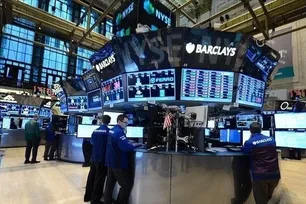
 AI profitability, Fed rate concerns push US fear index to 19-month high
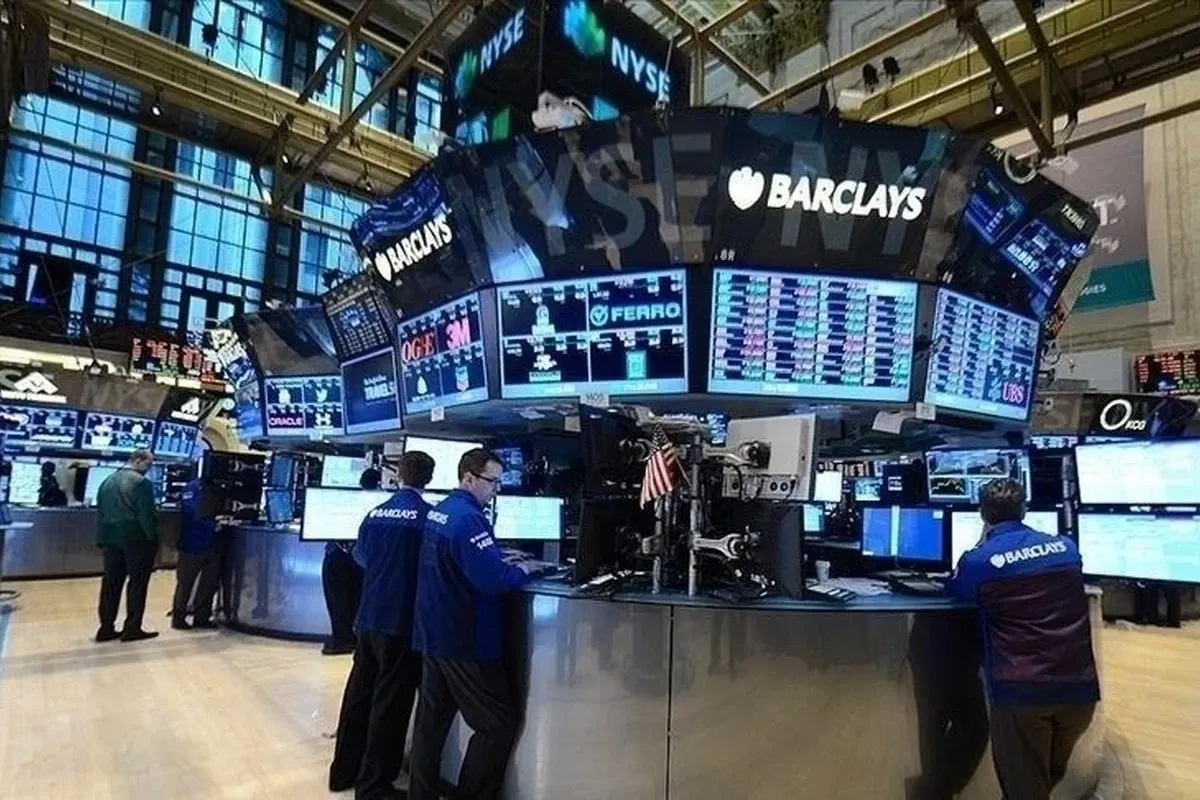
econews . The VIX hit 40.03 last week, its highest level since April 2025, as the S&P 500 slid 11.6% into technical correction territory.
Concerns over artificial intelligence (AI) profitability and Federal Reserve rate-hike expectations kept Wall Street's VIX fear index above 30 points on Monday after hitting a 19-month high last week.
The Volatility Index (VIX) surged to 40.03 last week, its highest level since April 2025, before closing the week at 35.89.
That climb followed six straight weeks of stock declines, leadership turmoil at Nvidia, and concerns that a Democratic midterm sweep could curb AI investments.
Anthropic's record initial public offering (IPO) failed to ease tech jitters, and Asian chip stocks fell Monday despite US rebound buying, with the VIX trading around 30.12.
Uraz Cay, global markets strategist at AK Investment, told Anadolu that the S&P 500 fell 11.6% since Oct. 6 into technical correction territory, though economic data still shows no recession risks.
Cay said the stock market is panicking over the VIX hitting 40 on Nov. 20, while corporate bond yields have yet to reach panic levels despite rising debt.
He noted that the Fed's Financial Stability Report named AI the top risk factor, citing JPMorgan data showing AI drove one-fourth of US growth last year and one-fifth in January-September 2026.
He added that the AI selloff eased the likelihood of a December Fed rate hike from near certainty to roughly 90%, while eroding 2026 gains in emerging markets.
Cay said the 2027 growth trajectory has become the most critical variable for multi-asset allocation.
Zafer Ergezen, a futures and commodities expert, told Anadolu that risk appetite has plunged since October due to high oil prices, which fueled inflation expectations and necessitated further rate hikes.
He said the pullback reversed recent investments into AI while fueling gold and silver selloffs, pushing nearly all major assets lower except the US dollar.
He noted that markets increasingly expect the global and US economies to slow, which is expected to curb demand and corporate activity.
He added that investors are shifting out of risky assets such as equities and commodities toward interest-bearing instruments and bonds.
Ergezen noted that this shift, alongside broad selling pressure and volatility, continues to fuel the surge in the VIX index.
AI profitability, Fed rate concerns push US fear index to 19-month high 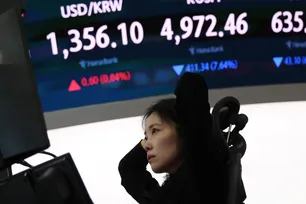 Asian stock markets tumble as AI bubble fears deepen
 Anthropic to raise $64bn in major stock market listing
Comment




Most Read
- 1 Pakistan rejects India's move to hold Indus Waters Treaty in abeyance at UN
- 2 EU readies fresh sanctions on Russia amid 'absurd' demands and winter strikes
- 3 EU plans a new €45bn loan to Ukraine. How much will it cost? And will it be repaid?
- 4 ‘Peace through strength’: Albanese and Trump hail progress on Quad alliance
- 5 Kyrgyzstan sees foreign trade rise to $14.1bln in January-September 2026