 Voters deliver "AI earthquake," rebuking tech and billionaires
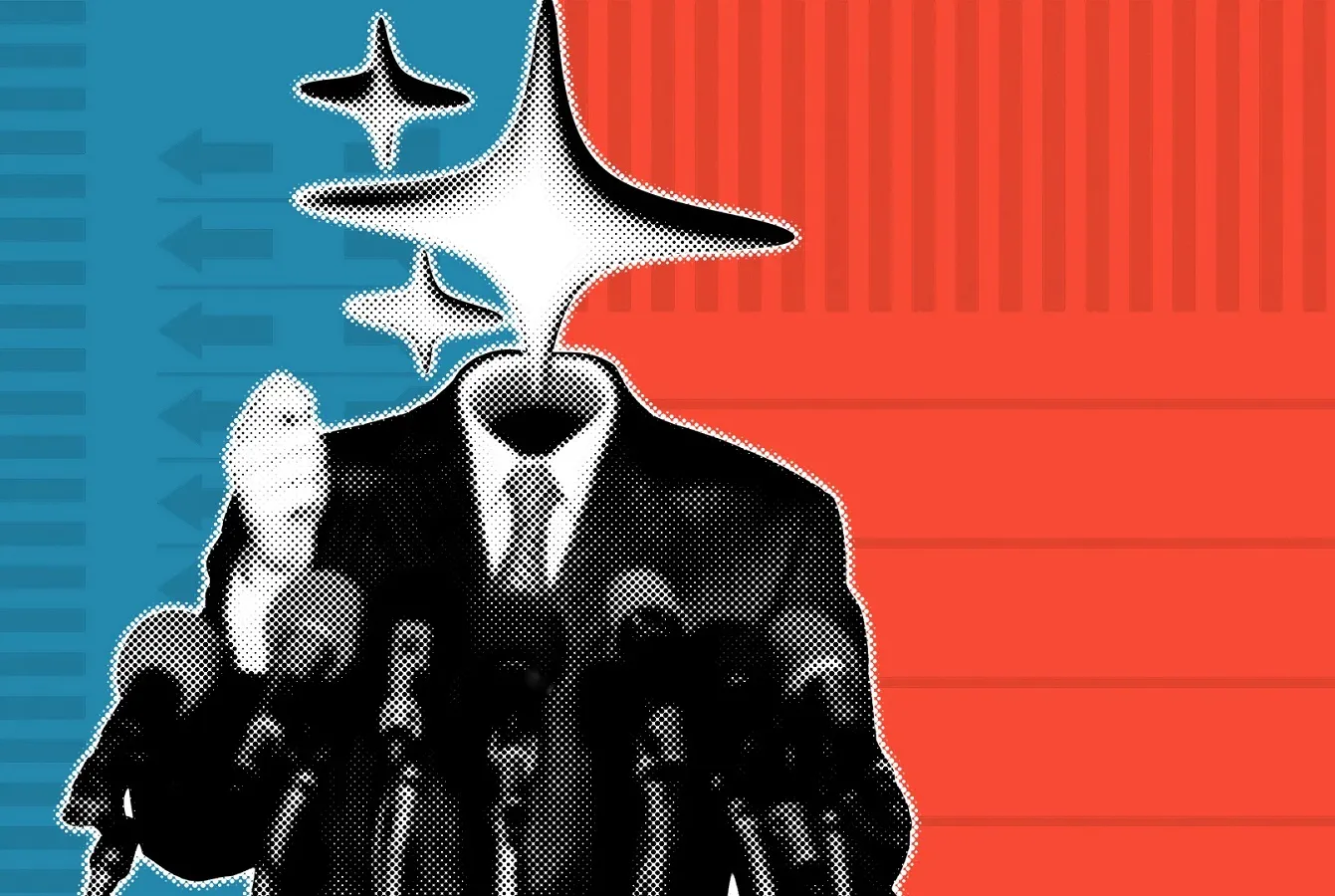
econews . Voters showed deep distrust of the AI race Tuesday, approving dozens of data center moratoriums and electing a raft of candidates who favor slowing a $10 trillion buildout, including in Texas — the epicenter of the boom.
econews. In an election that hinged on an affordability crisis for many Americans, voters made it clear they view Silicon Valley's AI ambitions not as a technological miracle, but as a resource-draining threat to their wallets and communities.
The results were a warning shot to some of the nation's wealthiest and most powerful executives, many of whom are already working on ways to build a more palatable version of the revolution they are dead-set on winning.
"What we just witnessed was an AI earthquake," Brad Carson, co-founder of Americans for Responsible Innovation, told Axios. "Voters just sent a clear message that they want rules for AI and data centers."
Democratic challenger Gina Hinojosa's surprise victory in the Texas governor's race fundamentally scrambles the math for the AI buildout.
Hinojosa campaigned on keeping a moratorium on data center construction in place until the state passes legislation tackling impacts on water, electricity, air and property rights in the legislative session that ends in mid-2027.
While most 2027 U.S. data centers expected are already under construction, a hold for more than six months would bring extended delays to Texas, which accounts for 41% of new U.S. capacity in 2028, according to the research firm SemiAnalysis.
Democrats won all three of the states that follow Texas for new data center capacity, including Ohio, Georgia and Arizona. The winners in Ohio and Georgia favor restrictive policies, although it's not yet clear how those will take shape.
All told, nearly two-thirds of 2028 data center capacity could face delays, although most political analysts don't see Democrats permanently blocking construction.
A host of candidates and politicos called out AI as one of the most important issues in the blue wave, an important signpost ahead of a momentous 2028 presidential race.
- Sen. Jon Ossoff (D-Ga.), a 2028 contender who won reelection by a wide margin, called out "the titans of Silicon Valley" in a victory speech, saying they "dig bunkers for themselves" even as they warn "that the artificial intelligence they're creating risks human extinction."
- AI had its "official debut" as the biggest issue in American politics, former New York Assemblymember and RAISE Act author Alex Bores told Axios. "AI is reaching into every part of our society and economy and it's now crystal clear it's impacting every part of our politics, too."
The anti-tech sentiment extended far beyond those states.
- Out of 41 data center measures on the ballot across 10 states, about two dozen proposals designed to restrict or block development appeared to have passed based on initial returns, according to Ballotpedia.
- Ohio hosted the largest share of those ballot fights, and some votes are still forthcoming, including in Arkansas and North Dakota.
In California, a measure that would've enacted a 5% wealth tax on individuals and trusts with more than $1 billion in assets appeared headed for defeat early Wednesday morning.
- Proposition 40 faced a well-funded opposition from the state's tech luminaries, as well as prominent Democrats like Gov. Gavin Newsom and Xavier Becerra.
Leaning into AI skepticism proved to be a winning strategy for Democrats in swing districts.
- Democratic challengers successfully weaponized AI policy, ousting Republicans in Ohio, Wisconsin, Arizona and Pennsylvania.
- Democratic groups had poured ads into these districts attacking GOP incumbents for a 2025 vote that would've neutered state AI legislation.
- AI safety advocates won or were poised to win races on Tuesday that will expand their coalition in the new Congress, including Colorado's Manny Rutinel and Minnesota's Matt Little.
For years, tech execs have dictated the terms of a seemingly limitless expansion, but this election proves that the ballot box still reigns supreme.
Voters deliver "AI earthquake," rebuking tech and billionaires  ‘Rejecting hate’: Abdul El-Sayed wins Senate seat despite racist attacks
 Kansas elects first Democratic senator in almost a century
Comment



Most Read
- 1 ‘Arab voice doesn’t count’: Jewish Israeli blocs reject Palestinian support
- 2 DC and Virginia sue to block Trump arch construction
- 3 Multiple tankers and drone reported struck around Hormuz
- 4 France's third weekend of social protests sees lower turnout and early clashes in major cities
- 5 Patrick Stewart, ‘Star Trek’ Captain Picard and ‘X-Men’ actor, dies at 86