 Uzbekistan’s Energy Sector Faces the Perfect Storm
Bukhara Is Transforming Travel With A Remarkable Tourism And Hospitality Boom In Uzbekistan
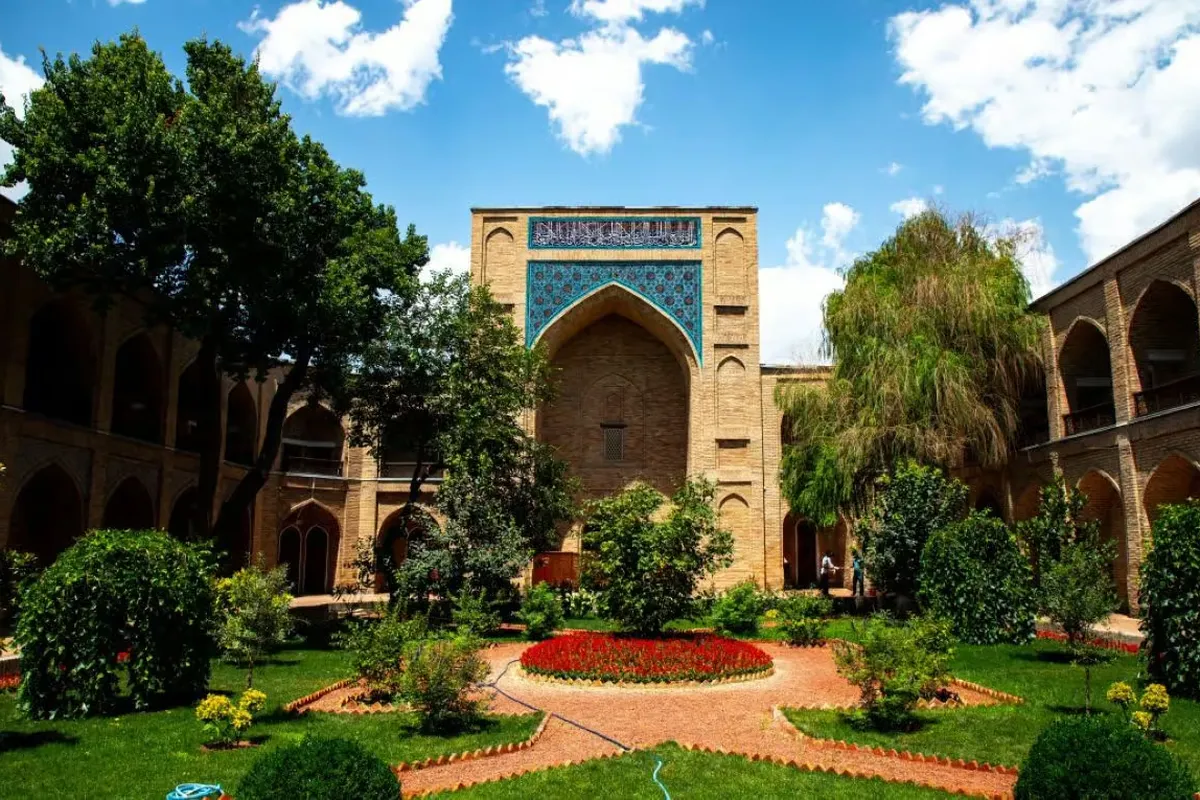
econews . Bukhara is having an absolute moment right now, pulling off one of the most jaw-dropping tourism comebacks Central Asia has ever seen.
econews. Walking through its sun-baked mud-brick alleys and towering minarets this year, you can physically feel the energy shifting as over 2.7 million international travelers and 4.7 million domestic explorers crowd into the ancient city. Local authorities have completely leaned into this momentum, pushing tourism export revenues to a staggering $745.2 million while adding 91 brand-new hotels and guesthouses to keep up with the mad rush.
From vibrant international jewelry festivals drawing crowds from 47 countries to ambitious master plans stretching across a massive 354-hectare development zone for 2027, this legendary Silk Road trading post isn’t just resting on its historical laurels it is aggressively rewriting its future.
What Sparked The Massive Infrastructure Boom Across Bukhara In 2026?
The year 2026 has witnessed an unprecedented architectural and logistical evolution across the historic landscapes of Bukhara, Uzbekistan, driven by an insatiable demand from global globetrotters seeking authentic cultural immersion. Specifically, 91 new accommodation facilities have commenced operations, successfully providing 985 rooms and 2,231 beds, which elevates the regional total to an impressive 755 properties. Furthermore, 41 new tour operators and travel agencies have launched their services, bringing the total number of registered agencies to 259 to streamline tourist navigation and enhance overall guest experiences. Consequently, this explosive growth in hospitality infrastructure guarantees that visitors exploring the majestic minarets and ancient caravanserais enjoy world-class modern comforts without compromising traditional charm. Ultimately, these structural upgrades serve as the backbone for sustaining long-term regional prosperity while accommodating millions of eager international guests.
As hospitality networks expand, local craftsmen and boutique owners find themselves at the epicentre of an economic revolution that celebrates indigenous artistry across Central Asia. Investors are pouring resources into sustainable restoration projects, ensuring that every newly built hotel and restored caravanserai respects the architectural integrity of Bukhara. Therefore, travelers wandering through the sun-drenched alleys of Bukhara, Uzbekistan, are greeted by a seamless blend of medieval grandeur and ultra-modern convenience that rivals any major European capital. Because municipal authorities prioritized quality alongside quantity, the structural transformation has created a robust ecosystem that safeguards both historical authenticity and tourist satisfaction.
How Did Record-Breaking International And Domestic Visitor Numbers Transform Bukhara In 2026?
Astonishingly, more than 2.7 million international tourists have journeyed deep into the heart of Bukhara, Uzbekistan, catapulting tourism export revenues to a staggering USD 745.2 million. In addition to this remarkable global interest, more than 4.7 million domestic tourists have explored the region, highlighting a powerful domestic cultural renaissance within Central Asia. Consequently, this staggering financial windfall has directly accelerated community enrichment, empowering local artisans, boutique family-run guesthouses, and traditional culinary enterprises to thrive in an increasingly competitive marketplace. Therefore, the profound socioeconomic impact of travel and tourism here extends far beyond simple statistics, translating directly into sustainable financial independence for hundreds of local families.
The influx of millions of curious explorers has breathed vibrant new life into ancient bazaars where merchants have traded spices and silk for over a millennium. Local entrepreneurs have seized the opportunity to modernize their services, introducing digital payment systems and multilingual guided tours while preserving time-honoured traditions. As visitors spend lavishly on authentic textiles, hand-forged jewellery, and regional delicacies, the wealth generated circulates directly back into the neighborhoods of Bukhara, Uzbekistan. Ultimately, this remarkable financial resilience proves that community-centric tourism can protect cultural heritage while lifting entire generations out of economic stagnation.
Why Did The 3rd International Gold Embroidery And Jewellery Festival Captivate Global Audiences In 2026?
Cultural diplomacy reached historic heights when the prestigious 3rd International Gold Embroidery and Jewellery Festival brought together official representatives and master craftspeople from 47 countries in Bukhara, Uzbekistan. This dazzling celebration of heritage successfully attracted more than 160,000 visitors, transforming the ancient Silk Road trading hub into a vibrant, global nexus of artistry and international dialogue. Moreover, international artisans showcased centuries-old textile traditions, creating cross-cultural bridges that deeply resonated with global art connoisseurs and modern heritage travelers alike. As a result, this landmark event cemented the city’s reputation not merely as a sightseeing destination, but as a living, breathing capital of world-class craftsmanship and living heritage.
Visitors wandering through the festival grounds were treated to breathtaking exhibitions featuring shimmering gold threads, precious gems, and intricate designs handed down through generations of master artisans. International delegations marveled at the sheer dedication required to preserve these delicate techniques, establishing collaborative partnerships that extend far beyond the borders of Central Asia. Consequently, the global spotlight shone brightly on Bukhara, proving that ancient artistic expressions hold immense commercial and emotional value in the twenty-first century. This monumental gathering not only boosted seasonal tourism numbers but also established permanent cultural exchanges that will benefit artisans for decades.
What Are The Ambitious Strategic Targets Set For Bukhara By The End Of 2026?
As the calendar year progresses toward its conclusion, municipal leaders in Bukhara, Uzbekistan, have established fiercely ambitious benchmarks to crown their unprecedented tourism season. Specifically, the region aims to attract a combined total of 9 million tourists, which includes 3.5 million international visitors and 5.5 million domestic explorers. Furthermore, economic strategists are aggressively pushing to elevate total tourism export revenues to the coveted milestone of USD 1 billion by year-end. To support this massive expansion, the local administration is committed to creating 2,200 new jobs, ensuring that rapid economic growth directly benefits the hardworking citizens of Central Asia.
Achieving these lofty goals requires meticulous coordination between private investors, governmental agencies, and local hospitality workers across the entire historical district of Bukhara. Marketing campaigns targeting emerging global markets have successfully positioned the ancient city as a must-visit bucket-list destination for discerning travelers. Therefore, as occupancy rates soar and airlines introduce new routes into Uzbekistan, the regional economy is well on its way to shattering all previous financial records. Ultimately, this unwavering dedication to growth ensures that Bukhara remains a shining beacon of economic vitality and tourism excellence.
What Massive Development Projects Are Planned For Bukhara Throughout 2027?
Looking ahead toward 2027, comprehensive development initiatives are officially scheduled across a sprawling 354-hectare area within Bukhara, Uzbekistan, promising a futuristic upgrade to regional hospitality. This visionary master plan features the construction of 7 branded hotels, 6 branded restaurants, and 120 modern retail and service facilities designed to cater to elite global travelers. Consequently, these multi-million-dollar development projects are projected to generate more than 2,500 new jobs, safeguarding long-term regional economic stability and career opportunities. Ultimately, these forward-thinking investments ensure that Bukhara will remain a premier, future-proof global destination for generations of discerning travelers to come.
Urban planners have carefully integrated these modern architectural marvels into the existing desert landscape, ensuring that ecological sustainability matches the scale of economic ambition. Visitors arriving next year will experience state-of-the-art leisure complexes, luxury dining establishments, and seamless transit networks connecting ancient monuments to modern resorts. By expanding the geographic footprint of tourism within Bukhara, authorities are successfully preventing overcrowding in historical zones while distributing economic benefits across a wider area. Thus, the future of travel in Uzbekistan looks brighter than ever, promising unmatched luxury rooted in deep historical reverence.
Aviation Expansion And Direct International Flight Connectivity Across Bukhara
The aviation landscape surrounding Bukhara International Airport has experienced an exceptional transformation throughout 2026, driven by a strategic push to enhance global accessibility. Scheduled direct flight frequencies have expanded by 38 percent year-on-year, successfully welcoming over 45 new charter and commercial airline partnerships linking the historic Silk Road destination with key transit hubs across Europe, the Middle East, and Asia. Furthermore, overall passenger handling capacity has surged to an impressive 1.8 million travelers annually, which has dramatically reduced transit times and eliminated traditional railway or highway bottlenecks for international holidaymakers. These comprehensive open-skies agreements and modernized tarmac facilities have effectively democratized access to this cultural gem, stimulating higher-yield long-haul tourism and encouraging extended stays among overseas visitors.
Digital Innovations And Smart Tourism Infrastructure Enhancements
Bukhara has embraced a comprehensive technological revolution in 2026, integrating over 120 historical monuments and archaeological sites into a unified national smart tourism ecosystem. Visitors can now seamlessly navigate ancient landmarks supported by high-speed municipal Wi-Fi zones, contactless near-field communication ticketing gates, and augmented reality audio guides available in 12 different languages. In addition, digital transactions executed via modern QR-code payment systems across local craft shops and bustling bazaars have registered a remarkable 65 percent increase, ensuring transparent financial tracking and smoother commercial exchanges. This forward-thinking digital modernization has significantly streamlined visitor navigation, enhanced site security protocols, and elevated customer satisfaction ratings across the entire regional hospitality sector.
Eco-Tourism Integration And Sustainable Desert Conservation Measures
Environmental stewardship has taken center stage in 2026 as local authorities strive to balance rising visitor numbers with the protection of fragile surrounding ecosystems. Conservation management teams have designated 15,000 hectares of surrounding desert and wetland terrain as protected eco-tourism corridors, establishing 12 low-impact glamping sites and solar-powered yurt camps operating entirely on renewable energy. Moreover, advanced waste recycling programs deployed across high-traffic heritage zones have successfully reduced municipal tourism waste by 42 percent compared to previous operational cycles. These proactive ecological safeguards ensure that the growing influx of travelers does not compromise the delicate flora, fauna, and ancient natural landscapes that define the regional periphery.
Gastronomic Heritage Growth And Culinary Tourism Expansion
The culinary sector of Bukhara has blossomed into a major economic pillar in 2026, celebrating rich ancestral recipes and centuries-old dining traditions through specialized quality charters. More than 55 traditional teahouses, family-run cookery academies, and heritage eateries have received official regional certification, successfully hosting upwards of 350,000 dedicated food tourists. Consequently, gastronomy-related expenditures have generated nearly USD 115 million in direct regional revenue, with interactive plov preparation workshops and spice-trading masterclasses witnessing a 70 percent surge in participation. This vibrant culinary renaissance continues to attract international epicureans and culture seekers eager to experience authentic Silk Road flavors firsthand.
Economic Influence Of MICE Events And Business Tourism
Bukhara has successfully transitioned beyond seasonal leisure travel in 2026, establishing itself as a premier destination for international business gatherings, academic symposiums, and trade exhibitions. The historic hub has hosted 28 major international forums this year alone, drawing over 25,000 corporate delegates from across Eurasia to state-of-the-art conference venues. Statistical analyses indicate that the average daily spend of a business delegate reaches USD 320, generating roughly 2.4 times the economic impact of standard leisure visitors and injecting vital off-peak revenue into local hotels. This strategic diversification into professional networking and corporate diplomacy has cemented a resilient, year-round economic framework for the municipal hospitality market.
Artisan Guild Financing And Handcraft Preservation Programs
Traditional craftsmanship in Bukhara receives direct financial reinforcement through an innovative regional heritage fund that re-invests USD 12.8 million sourced straight from tourism licensing fees and municipal taxes. This dedicated capital directly supports 45 traditional carpet-weaving, ceramics, and metalworking guilds, ensuring that ancient techniques are meticulously preserved. Furthermore, the fund has financed certified vocational apprenticeships for 1,400 local youths, securing the continuity of UNESCO-recognized intangible cultural heritage against modern commercial pressures. This direct economic feedback loop guarantees that indigenous artisans maintain ownership and pride over their generational artistic legacy.
Tourist Safety Protocols And Emergency Health Infrastructure Upgrades
Ensuring absolute peace of mind for international families and solo travelers has been a core priority for regional administrators throughout 2026. The government has established six dedicated Tourist Police stations staffed by multilingual officers within high-density archaeological districts, complemented by three newly constructed specialized emergency medical clinics near major monuments. Consequently, average emergency response times within historical zones have dropped to under six minutes, while specialized wellness packages have welcomed over 8,500 travelers seeking traditional mineral spa therapies. These comprehensive safety frameworks and healthcare expansions reinforce the destination’s reputation as a secure and welcoming haven for global explorers.
Domestic Youth Tourism And Educational Heritage Travel Programs
Educational institutions across Uzbekistan have partnered closely with regional tourism boards in 2026 to launch expansive subsidized heritage immersion programs for the younger generation. These initiatives have successfully transported over 1.2 million school and university students on curriculum-linked history excursions to explore the architectural marvels of Bukhara. Simultaneously, specialized youth hostel networks and budget-friendly cultural camps have expanded by 50 percent to accommodate the substantial wave of young domestic travelers discovering their roots. This profound cultural engagement successfully fosters deep national pride, historical awareness, and intergenerational continuity among the country’s rising youth demographic.
Cinematic Destination Marketing And Global Film Tourism Across Bukhara
The breathtaking medieval architecture and bustling bazaars of Bukhara have successfully established themselves as a premier cinematic backdrop throughout 2026, catalyzed by a dedicated regional film commission initiative. International production enterprises originating from Bollywood, European cinema networks, and regional Central Asian studios have completed principal photography on 14 major feature-length films, documentaries, and commercial series on location this year alone. This vibrant expansion of screen tourism has welcomed upwards of 45,000 passionate film-set travelers, injecting an estimated USD 28.5 million into local accommodation providers, catering services, and regional crew stipends. Moreover, strategic global distribution and streaming partnerships have amplified international brand recognition for the destination by 52 percent, firmly cementing its reputation as a leading visual storytelling sanctuary.
High-Speed Rail Connectivity And Railway Modernisation Impact On Tourism
The continuous enhancement of high-speed railway networks interconnecting Tashkent, Samarkand, and Bukhara has fundamentally transformed domestic and regional tourist mobility throughout 2026. The national rail operator deployed 18 newly upgraded high-speed electric train sets, expanding daily passenger transport capacity directly into the Bukhara transit hub by 44 percent. More than 1.9 million vacationers selected rail transit over conventional highway travel this year, significantly reducing carbon emissions while rendering weekend cultural excursions seamless and economical. This dependable, high-capacity transport framework has effectively facilitated multi-destination tour routes, empowering international explorers to navigate Uzbekistan’s legendary historic triangle without logistical obstacles.
Traditional Silk Road Healing Retreats And Wellness Spa Tourism
Bukhara has strategically broadened its visitor offerings in 2026 by reinterpreting ancestral Silk Road healing customs within contemporary luxury spa complexes and therapeutic bathhouses. The destination introduced 12 newly operational wellness sanctuaries focusing on mineral-intensive balneotherapy, organic herbal remedies rooted in classical Avicenna practices, and restorative desert salt-cave treatments. These specialized therapeutic retreats drew more than 22,000 international wellness enthusiasts, contributing USD 19.4 million in dedicated service revenues during the historically quieter spring and autumn shoulder periods. Consequently, wellness travel has played a critical role in positioning the city as a resilient, year-round haven for physical rejuvenation and peaceful exploration.
Interactive Immersive Heritage Experiences And Museum Digitisation
Cultural heritage institutions throughout Bukhara underwent a comprehensive technological modernization in 2026, seamlessly embedding immersive digital displays and virtual reality historical reconstructions across 18 major state museums. The regional Ministry of Culture documented a 61 percent rise in museum admissions, accommodating over 880,000 ticketed patrons who engaged with interactive three-dimensional holograms depicting ancient Silk Road commercial networks. Furthermore, the deployment of a dedicated multilingual mobile application enabled over 150,000 digital audio-tour downloads, substantially enriching educational engagement for independent global visitors. This forward-looking institutional transformation successfully harmonises centuries of historical legacy with state-of-the-art visitor interactivity, deepening overall cultural appreciation.
Rural Heritage Farm Experiences And Agri-Tourism Vineyard Trails
The establishment of specialised agri-tourism corridors across the rich agricultural landscapes encircling Bukhara unlocked a vibrant economic pillar for rural communities during 2026. Regional administration officials officially certified 30 family-operated orchards, heritage vineyards, and traditional melon estates as accredited agri-tourism destinations, welcoming over 75,000 guests who participated directly in seasonal harvesting activities. These community-focused rural initiatives yielded USD 8.2 million in direct farm-gate revenue and traditional homestay reservations, distributing economic gains straight to farming families. This expanding tourism sector offers international travelers genuine slow-travel encounters while actively safeguarding indigenous agricultural practices and rural heritage vistas.
The Final Verdict
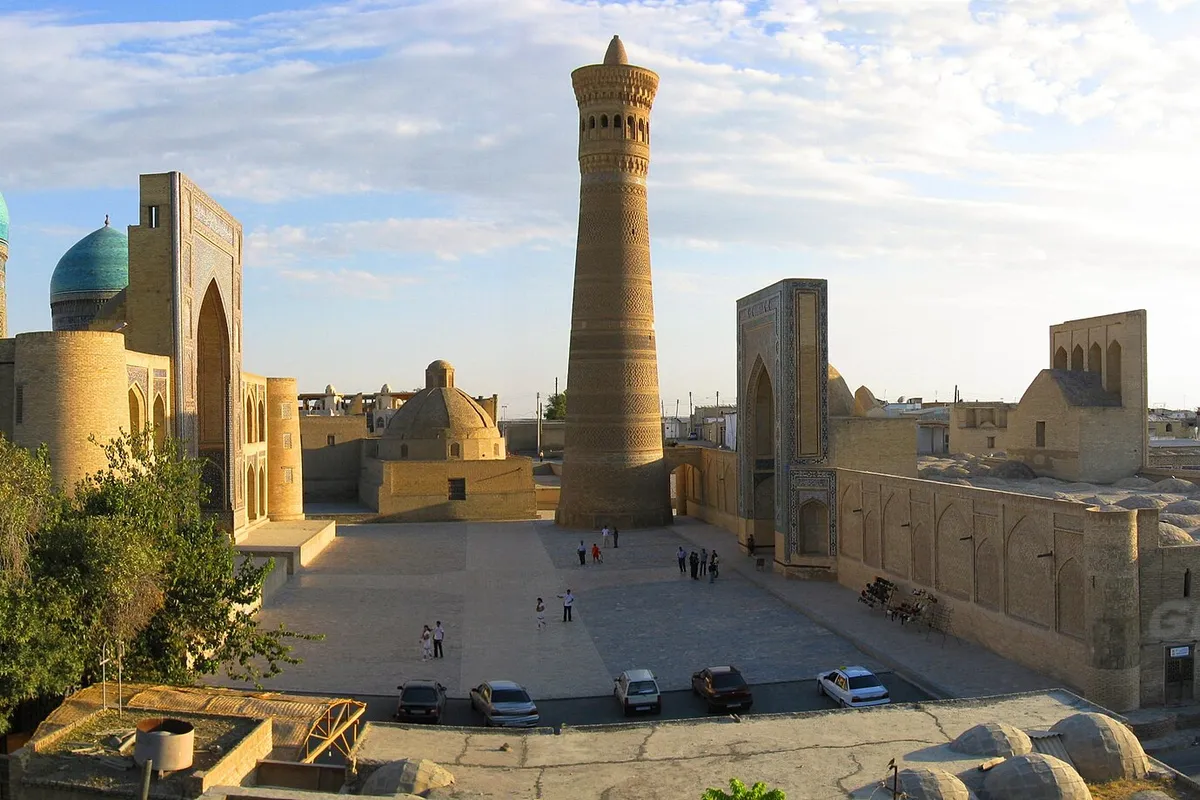
Bukhara leaves a lasting imprint on your soul long after you have shaken the desert dust from your shoes and boarded your train out. Standing beneath the towering silhouette of the Kalyan Minaret as the desert sun dips below the horizon, you realize this city isn’t just a collection of ancient bricks and fading museum exhibits it’s a living, breathing pulse of human history refusing to fade away. Watching local artisans lovingly thread gold wire through velvet or listening to the laughter echoing through bustling tea houses, there is an undeniable magic here that transcends tourist statistics and economic spreadsheets.
It breaks your heart a little to leave, knowing you are parting from a place that feels so deeply alive, yet it fills you with an overwhelming sense of wonder. This historic oasis has mastered the rare art of welcoming the modern world with open arms while fiercely guarding its ancient soul, proving that some stories are simply too magnificent to ever end.
Uzbekistan’s Energy Sector Faces the Perfect Storm  Bukhara Is Transforming Travel With A Remarkable Tourism And Hospitality Boom In Uzbekistan
 Uzbekistan’s Three Roads to the Sea – and None Runs Through Afghanistan
Comment




Most Read
- 1 Kazakhstan's Tokayev demands anti-corruption proposals within days after detentions of wealth fund rail chiefs
- 2 Nvidia Fallout Looms Over Trump-Xi Meeting
- 3 Germany’s Daisytuner raises €6 million to make AI models run faster across NVIDIA, AMD and emerging chips
- 4 Elon Musk joins 165,000 others calling for Nvidia to bring back Jensen Huang in open letter
- 5 EU readies fresh sanctions on Russia amid 'absurd' demands and winter strikes